


No products in the cart.
Professional Optometry Services in Vietnam Guide
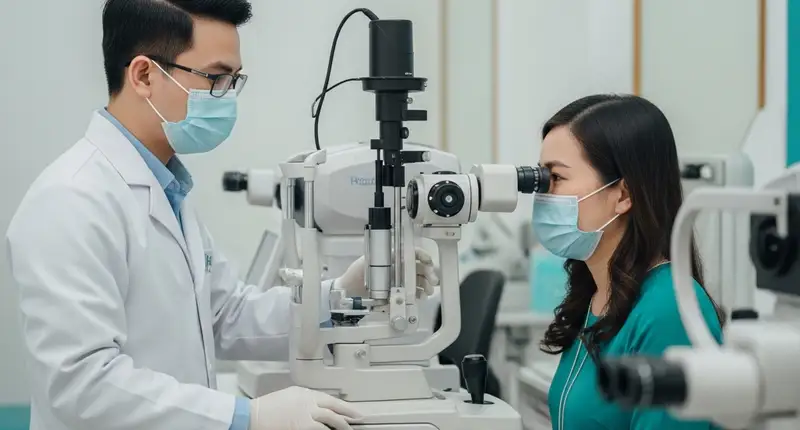
Nếu bạn chỉ đi khám khi nhìn mờ hoặc đau nhức rõ rệt, bạn đang bỏ lỡ cơ hội bảo vệ thị lực từ sớm. Nhu cầu học tập, làm việc với màn hình và lái xe tại Việt Nam ngày càng cao, nên việc tìm hiểu professional optometry services in vietnam không còn là lựa chọn phụ. Đây là cách chủ động để bạn kiểm tra, theo dõi và tối ưu chất lượng nhìn trong cuộc sống hằng ngày.
Nhiều người nghĩ đo mắt chỉ là xác định độ kính, nhưng thực tế không đơn giản như vậy. Khi bạn chọn professional optometry services in vietnam, bạn thường nhận được quy trình bài bản hơn, từ khai thác triệu chứng đến đánh giá thị giác và tư vấn giải pháp phù hợp. Nếu bạn đang muốn tìm một nơi khám mắt đáng tin cậy, bài viết này sẽ giúp bạn hiểu rõ và chọn đúng.
What are professional optometry services in Vietnam?
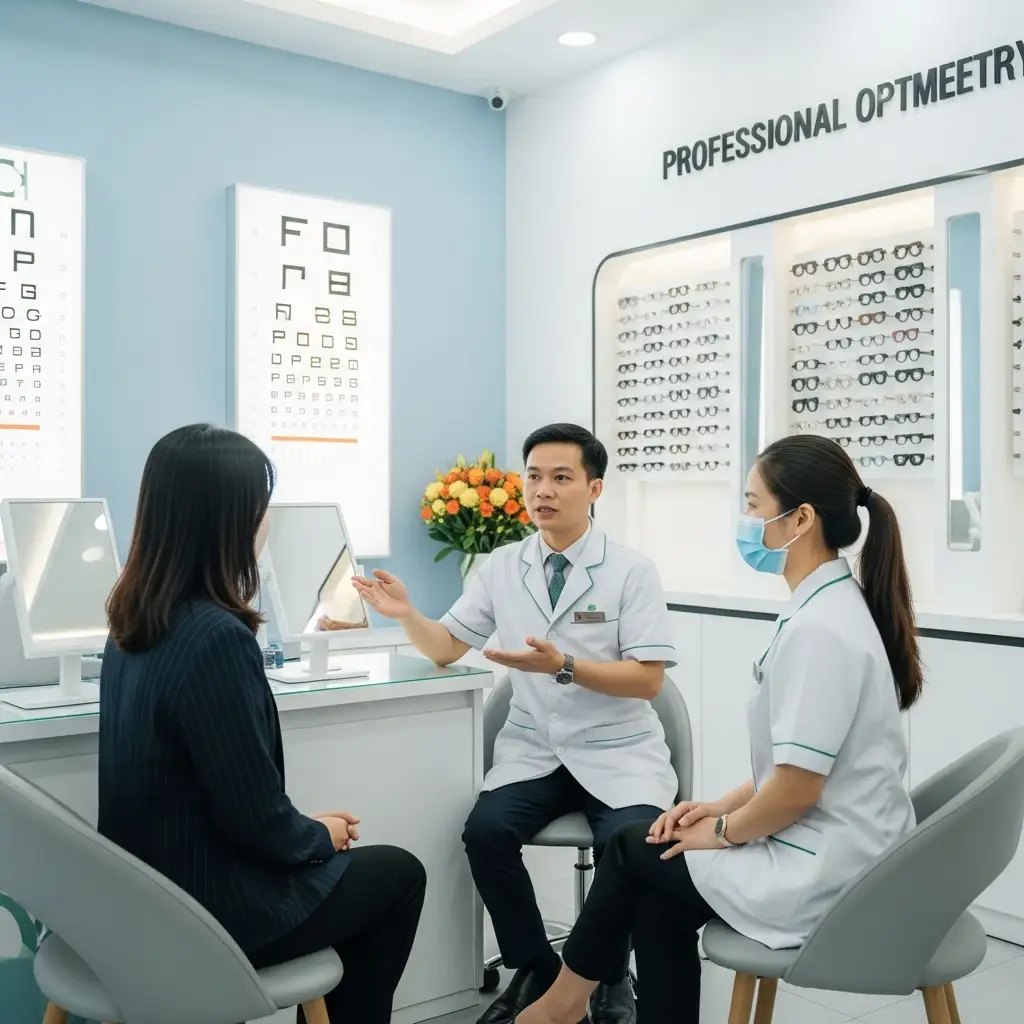
Bạn có thể đã từng đo mắt rất nhanh ở một quầy kính và nghĩ rằng như vậy là đủ. Nhưng khi nhu cầu nhìn rõ, làm việc lâu với màn hình hoặc lái xe thường xuyên tăng lên, bạn cần một dịch vụ toàn diện hơn. Đó là lý do professional optometry services in vietnam ngày càng được nhiều người quan tâm.
Core services offered by an optometrist in Vietnam
Một optometrist in Vietnam thường cung cấp các dịch vụ như đo thị lực, đo khúc xạ, đánh giá khả năng phối hợp hai mắt, tư vấn kính thuốc và theo dõi các vấn đề thị giác phổ biến. Ở nhiều cơ sở chuyên nghiệp, bạn còn được kiểm tra tình trạng mỏi mắt, khô mắt và khả năng điều tiết khi nhìn gần.
Dịch vụ này đặc biệt hữu ích nếu bạn đeo kính lâu năm nhưng vẫn thấy nhức đầu hoặc nhìn không thoải mái. Based on real-world experience, nhiều trường hợp không phải do “sai độ” hoàn toàn mà do đơn kính chưa phù hợp với nhu cầu sử dụng thực tế.
professional optometry services in vietnam không chỉ phục vụ người đã có tật khúc xạ. Bạn cũng có thể cần khám nếu hay nheo mắt, mỏi mắt khi đọc, thấy chói khi lái xe đêm hoặc làm việc với máy tính trên 6 đến 8 giờ mỗi ngày.
How optometry differs from ophthalmology and optical retail
Optometry tập trung nhiều vào đánh giá chức năng thị giác, đo khúc xạ và chăm sóc thị lực dự phòng. Ophthalmology nghiêng về chẩn đoán và điều trị bệnh lý mắt bằng hướng tiếp cận y khoa, bao gồm cả phẫu thuật nếu cần. Trong khi đó, một điểm bán kính thông thường có thể chỉ tập trung vào việc bán sản phẩm.
Điểm khác biệt lớn là professional optometry services in vietnam thường đi sâu vào trải nghiệm nhìn của bạn. Bạn không chỉ nhận con số độ kính, mà còn được đánh giá xem hai mắt có làm việc cân bằng hay không, mắt có bị quá tải vì màn hình hay không và đơn kính nào phù hợp với thói quen sống của bạn.
Theo World Health Organization, trên toàn cầu có ít nhất 2,2 tỷ người bị suy giảm thị lực gần hoặc xa. Điều đáng chú ý là ít nhất 1 tỷ trường hợp trong số đó có thể phòng ngừa hoặc chưa được điều trị.
Who should book regular vision care services in Vietnam
Nếu bạn lần đầu đeo kính, thay đổi độ liên tục hoặc thường xuyên mỏi mắt khi nhìn gần, bạn nên kiểm tra định kỳ. Trẻ em trong độ tuổi đi học, người làm văn phòng và người trên 40 tuổi cũng là những nhóm nên ưu tiên vision care services Vietnam.
In practice, nhiều người chỉ đi khám khi tình trạng đã ảnh hưởng đến học tập hoặc công việc. Điều này khiến bạn dễ bỏ qua các dấu hiệu nhỏ như nhìn mờ thoáng qua, khô mắt nhẹ hoặc khó tập trung sau vài giờ dùng màn hình.
Bạn có cần khám định kỳ nếu vẫn nhìn rõ không. Câu trả lời thường là có, vì nhiều vấn đề thị giác tiến triển âm thầm và chỉ được phát hiện khi khám đúng quy trình.
What to expect during an eye examination in Vietnam

Nếu bạn chưa từng khám ở một eye checkup clinic Vietnam chuyên nghiệp, bạn có thể cảm thấy khá mơ hồ về quy trình. Thực tế, buổi khám thường không quá phức tạp nhưng lại cung cấp nhiều thông tin hữu ích hơn bạn nghĩ. Khi biết trước mình sẽ trải qua những gì, bạn sẽ chủ động và thoải mái hơn.
Patient intake, vision history, and symptom review
Buổi khám thường bắt đầu bằng phần hỏi bệnh sử và thói quen sử dụng mắt. Bạn có thể được hỏi về thời gian dùng màn hình, nghề nghiệp, triệu chứng mờ mắt, nhức đầu, khô mắt hoặc tiền sử bệnh lý gia đình.
Phần này rất quan trọng vì đơn kính tốt không chỉ dựa trên máy đo. Nhu cầu làm việc, học tập, lái xe hay dùng điện thoại nhiều đều ảnh hưởng đến cách chuyên viên đánh giá thị lực của bạn.
Visual acuity, refraction, and binocular vision testing
Sau đó, bạn sẽ được kiểm tra thị lực nhìn xa, nhìn gần và đo khúc xạ để xác định độ cận, viễn hoặc loạn. Trong một eye examination in Vietnam bài bản, bạn còn có thể được đánh giá khả năng điều tiết, hội tụ và cân bằng hai mắt.
Đây là phần rất nhiều người bỏ qua khi chỉ đo mắt nhanh. Many users report rằng họ từng đổi kính nhiều lần nhưng vẫn khó chịu, đến khi làm kiểm tra thị giác đầy đủ mới phát hiện vấn đề nằm ở phối hợp hai mắt hoặc tình trạng mỏi điều tiết.
Một số cơ sở còn kiểm tra độ nhạy tương phản hoặc đánh giá mức độ nhìn rõ trong điều kiện ánh sáng khác nhau. Điều này đặc biệt hữu ích nếu bạn lái xe buổi tối hoặc làm việc trong môi trường ánh sáng mạnh.
Eye health screening and follow-up recommendations
Ngoài đo độ, buổi khám có thể bao gồm sàng lọc sức khỏe mắt cơ bản. Tùy trường hợp, bạn có thể được kiểm tra nhãn áp, quan sát bề mặt mắt hoặc đánh giá dấu hiệu khô mắt và mỏi mắt do màn hình.
Sau khi hoàn tất, bạn thường được tư vấn theo dõi, thay kính hoặc chuyển khám chuyên khoa nếu có dấu hiệu bất thường. professional optometry services in vietnam có giá trị ở chỗ giúp bạn biết khi nào chỉ cần kính mới và khi nào cần đánh giá y khoa sâu hơn.
How a comprehensive eye test Vietnam clinics provide works
Bạn có thể thấy thị lực của mình “vẫn ổn” và nghĩ rằng không cần kiểm tra sâu. Nhưng một comprehensive eye test Vietnam không chỉ để xác định độ kính, mà còn để đánh giá cách mắt của bạn hoạt động trong thực tế. Đây là khác biệt giữa sàng lọc nhanh và kiểm tra toàn diện.
Key tests included in a comprehensive eye test Vietnam
Một comprehensive eye test Vietnam thường gồm đo thị lực, đo khúc xạ chủ quan và khách quan, kiểm tra phối hợp hai mắt, đánh giá điều tiết và sàng lọc sức khỏe mắt. Trong một số trường hợp, kiểm tra nhãn áp hoặc đánh giá bề mặt nhãn cầu cũng được chỉ định.
Các bước này giúp phát hiện những vấn đề mà đo mắt nhanh dễ bỏ sót. Ví dụ, bạn có thể có độ kính gần đúng nhưng vẫn khó đọc lâu, dễ đau đầu hoặc mất tập trung vì hai mắt làm việc chưa cân bằng.
When adults and children need a full eye assessment
Trẻ em nên kiểm tra nếu có dấu hiệu ngồi sát màn hình, nheo mắt, học giảm tập trung hoặc than mỏi mắt. Người lớn nên khám toàn diện khi thay đổi độ liên tục, làm việc văn phòng cường độ cao hoặc thấy mờ khi lái xe đêm.
Theo nhiều thống kê khu vực, thời gian sử dụng màn hình ở nhóm nhân viên văn phòng thường vượt 7 giờ mỗi ngày. Với học sinh và sinh viên, con số này có thể tăng thêm 3 đến 5 giờ cho học tập và giải trí, khiến nhu cầu eye examination in Vietnam ngày càng thực tế hơn.
Signs you may need more than a basic screening
Nếu bạn đã đổi kính nhưng vẫn không thấy thoải mái, đó là tín hiệu rõ ràng. Các dấu hiệu khác gồm nhìn mờ thoáng qua, chảy nước mắt, khô mắt, nhức đầu vùng trán, khó chuyển nét từ gần sang xa hoặc thấy chữ bị “trôi” khi đọc lâu.
Here’s what most people miss:
Một đơn kính “đúng số” chưa chắc là đơn kính “đúng cho bạn”. professional optometry services in vietnam giúp cá nhân hóa giải pháp theo thói quen sống, thay vì chỉ in ra một kết quả đo nhanh.
Choosing a reliable eye care in Vietnam provider
Chọn nơi khám mắt không nên dựa vào giá rẻ hoặc vị trí gần nhà mà thôi. Khi bạn muốn theo dõi thị lực lâu dài, chất lượng chuyên môn và quy trình khám quan trọng hơn nhiều. Một địa chỉ reliable eye care in Vietnam sẽ giúp bạn yên tâm cả trước mắt lẫn về lâu dài.
Qualifications and certifications to look for
Bạn nên ưu tiên nơi có người đo khám được đào tạo bài bản về khúc xạ nhãn khoa hoặc optometry. Nếu cơ sở công khai thông tin chuyên môn, chứng chỉ đào tạo và phạm vi dịch vụ, đó thường là dấu hiệu tích cực.
Trong thực tế, sự khác biệt lớn nhất không chỉ nằm ở bằng cấp mà còn ở cách người khám giải thích cho bạn. In practice, những nơi tốt thường hỏi kỹ nhu cầu sử dụng mắt và không vội kết luận chỉ sau vài phút.
Clinic equipment, testing standards, and service quality
Một eye checkup clinic Vietnam đáng tin cậy nên có thiết bị đo hiện đại, khu vực khám sạch sẽ và quy trình rõ ràng. Thời gian khám quá nhanh đôi khi là dấu hiệu bạn chưa được kiểm tra đủ sâu.
Bạn cũng nên để ý cách cơ sở lưu hồ sơ và hẹn theo dõi. Với professional optometry services in vietnam, việc so sánh kết quả qua từng lần khám giúp đánh giá thay đổi thị lực chính xác hơn.
Questions to ask before booking an appointment
Bạn có thể hỏi buổi khám bao gồm những gì, mất bao lâu và có kiểm tra mắt do màn hình hay không. Nếu bạn đang cần kính mới, hãy hỏi thêm liệu dịch vụ có bao gồm prescription glasses eye exam Vietnam và tư vấn tròng kính phù hợp hay không.
Một câu hỏi rất đáng giá là ai sẽ trực tiếp thăm khám cho bạn. Câu trả lời rõ ràng, minh bạch thường phản ánh chất lượng dịch vụ tốt hơn bạn nghĩ.
Prescription glasses eye exam Vietnam patients should know
Nhiều người chỉ muốn “đo nhanh để lấy kính”, nhưng một đơn kính tốt cần nhiều hơn một con số. Khi bạn hiểu cách đơn kính được xác định, bạn sẽ tránh được tình trạng đeo kính mà vẫn mỏi mắt. Đó là lý do prescription glasses eye exam Vietnam nên được thực hiện cẩn thận.
How refraction determines your glasses prescription
Quá trình đo khúc xạ giúp xác định độ cận, viễn, loạn và đôi khi cả nhu cầu hỗ trợ nhìn gần. Người khám sẽ kết hợp kết quả máy với phản hồi thực tế của bạn để tinh chỉnh đơn kính.
Đây là lý do hai nơi có thể cho ra cảm giác đeo kính khác nhau dù số độ gần tương tự. Based on real-world experience, việc tinh chỉnh theo độ thoải mái và mục đích sử dụng là yếu tố rất quan trọng.
When to update lenses for clearer daily vision
Bạn nên nghĩ đến việc kiểm tra lại nếu thấy nhìn mờ hơn, dễ nheo mắt, đau đầu hoặc đeo kính cũ mà không còn thoải mái. Với người làm việc màn hình nhiều, thay đổi nhỏ về độ hoặc thiết kế tròng cũng có thể tạo khác biệt rõ rệt.
Nhiều người cập nhật kính quá muộn, đôi khi sau 2 đến 3 năm dù triệu chứng đã xuất hiện từ trước. professional optometry services in vietnam giúp bạn biết khi nào nên đổi tròng thay vì cố thích nghi với chiếc kính không còn phù hợp.
Lens options for work, driving, and screen use
Không phải ai cũng phù hợp với cùng một loại tròng kính. Bạn có thể cần tròng tối ưu cho văn phòng, tròng hỗ trợ lái xe hoặc giải pháp dành cho thời gian dùng màn hình kéo dài.
Theo nhu cầu thực tế, người dùng màn hình hơn 8 giờ mỗi ngày thường quan tâm đến chống chói, hỗ trợ tương phản và giảm mỏi điều tiết. Nếu bạn chia sẻ đúng thói quen sống, optometrist in Vietnam sẽ tư vấn chính xác hơn nhiều.
Digital eye strain treatment Vietnam options and advice
Nếu bạn làm việc với máy tính nhiều, cảm giác mỏi mắt có thể trở thành chuyện hằng ngày. Nhưng mỏi mắt kỹ thuật số không phải là điều bạn bắt buộc phải chịu đựng. Với digital eye strain treatment Vietnam phù hợp, bạn có thể cải thiện độ thoải mái và hiệu suất làm việc rõ rệt.
Common symptoms linked to prolonged screen exposure
Triệu chứng phổ biến gồm khô mắt, nhức đầu, nhìn mờ thoáng qua, chói sáng và khó chuyển nét sau khi nhìn gần lâu. Một số người còn thấy nặng mắt, chảy nước mắt hoặc đau vùng cổ vai do tư thế làm việc kéo dài.
Theo nhiều báo cáo thực hành lâm sàng, có đến hơn 50% người dùng thiết bị số trong thời gian dài từng gặp ít nhất một triệu chứng liên quan đến digital eye strain. Con số này cho thấy vấn đề không hề hiếm gặp.
Treatment plans for comfort, focus, and productivity
digital eye strain treatment Vietnam có thể bao gồm điều chỉnh đơn kính, thay đổi khoảng cách làm việc, hướng dẫn chớp mắt đúng cách và dùng nước mắt nhân tạo khi cần. Nếu có rối loạn điều tiết hoặc phối hợp hai mắt, bạn có thể cần đánh giá sâu hơn.
Many users report rằng chỉ sau khi đổi kính phù hợp cho màn hình, triệu chứng đau đầu và mỏi mắt giảm đáng kể. Điều này cho thấy giải pháp không phải lúc nào cũng là “nghỉ ngơi nhiều hơn”, mà còn là kiểm tra đúng nguyên nhân.
Liệu kính chống ánh sáng xanh có đủ không. Câu trả lời là không phải lúc nào cũng vậy, vì gốc vấn đề có thể nằm ở độ kính, khoảng cách làm việc, ánh sáng môi trường hoặc khô mắt.
Prevention tips for office workers and students
Bạn nên nghỉ mắt định kỳ, điều chỉnh vị trí màn hình và giữ khoảng cách làm việc hợp lý. Ngoài ra, ánh sáng phòng, độ cao màn hình và tư thế ngồi cũng ảnh hưởng lớn đến cảm giác nhìn.
Một mẹo đơn giản là quy tắc 20-20-20: cứ mỗi 20 phút, nhìn xa khoảng 20 feet trong 20 giây. Kết hợp với eye examination in Vietnam định kỳ, bạn sẽ kiểm soát mỏi mắt tốt hơn nhiều.
How vision care services Vietnam support all ages
Nhu cầu chăm sóc mắt không giống nhau ở mọi độ tuổi. Một đứa trẻ đang học đọc sẽ khác hoàn toàn với người lớn làm việc văn phòng hay người cao tuổi cần theo dõi thay đổi thị lực. vision care services Vietnam hiệu quả là dịch vụ biết điều chỉnh theo từng nhóm tuổi như vậy.
Children’s vision checks for learning and development
Trẻ em có thể không tự nhận ra mình nhìn mờ hoặc khó tập trung là do mắt. Vì vậy, khám định kỳ giúp phát hiện sớm các vấn đề ảnh hưởng đến học tập và phát triển kỹ năng.
Nếu con bạn hay cúi sát sách, nghiêng đầu khi nhìn hoặc thành tích học tập giảm không rõ lý do, bạn nên đưa trẻ đi kiểm tra. Một comprehensive eye test Vietnam cho trẻ có thể mang lại khác biệt lớn trong giai đoạn học đường.
Adult eye exams for work, driving, and screen demands
Người trưởng thành thường cần khám mắt vì công việc, lái xe và sử dụng thiết bị số. Đây là nhóm rất dễ trì hoãn việc kiểm tra dù triệu chứng đã ảnh hưởng rõ đến hiệu suất và sự thoải mái hằng ngày.
professional optometry services in vietnam đặc biệt hữu ích cho nhóm này vì giúp kết nối đơn kính với công việc thực tế. Bạn không chỉ cần nhìn rõ bảng chữ, mà còn cần nhìn bền và tập trung lâu.
Senior eye care and monitoring age-related changes
Sau 40 tuổi, bạn có thể bắt đầu gặp khó khăn khi nhìn gần hoặc cần nhiều ánh sáng hơn để đọc. Về sau, việc theo dõi thay đổi liên quan đến tuổi trở nên quan trọng hơn, kể cả khi bạn vẫn cảm thấy thị lực “chưa quá tệ”.
Khám định kỳ còn giúp bạn được tư vấn thời điểm nên theo dõi chuyên sâu hơn nếu có dấu hiệu bệnh lý mắt. Đây là một phần quan trọng của reliable eye care in Vietnam mà nhiều người thường đánh giá thấp.
Costs, booking, and clinic visit preparation tips
Khi chuẩn bị đi khám mắt, bạn thường quan tâm đến chi phí, cách đặt lịch và cần mang theo gì. Những thông tin này giúp bạn tiết kiệm thời gian và tránh trải nghiệm vội vàng. Nếu chuẩn bị tốt, buổi khám sẽ hiệu quả hơn rất nhiều.
Factors that influence eye exam and service costs
Chi phí phụ thuộc vào loại cơ sở, độ sâu của bài kiểm tra, thiết bị sử dụng và thành phố bạn sinh sống. Một buổi đo kính cơ bản sẽ khác với một comprehensive eye test Vietnam có thêm đánh giá hai mắt, khô mắt hoặc nhãn áp.
Nếu bạn chọn professional optometry services in vietnam, mức giá có thể cao hơn đo nhanh nhưng thường phản ánh thời gian và chất lượng thăm khám tốt hơn. Điều quan trọng là hiểu bạn đang trả tiền cho phạm vi dịch vụ nào.
How to book an eye checkup clinic Vietnam appointment
Bạn nên đặt lịch trước, đặc biệt vào cuối tuần hoặc buổi tối. Khi gọi hoặc nhắn tin đặt lịch, hãy mô tả ngắn gọn triệu chứng như mờ mắt, đau đầu, khô mắt hay cần prescription glasses eye exam Vietnam để cơ sở sắp xếp thời gian phù hợp.
Một số nơi cho phép đặt lịch trực tuyến và gửi nhắc hẹn trước 24 giờ. Đây là lợi thế nếu bạn có lịch làm việc dày và muốn giảm thời gian chờ.
What to bring and how to prepare before your visit
Bạn nên mang kính đang dùng, đơn kính cũ nếu có và danh sách triệu chứng gặp phải. Nếu bạn đeo kính áp tròng, hãy hỏi trước có cần ngưng đeo trong vài giờ hoặc vài ngày trước buổi khám hay không.
Here’s what most people miss:
Việc ghi lại thời điểm xuất hiện triệu chứng sẽ giúp buổi khám chính xác hơn. Ví dụ, bạn mỏi mắt vào cuối ngày, nhìn mờ khi lái xe đêm hay đau đầu sau 2 giờ dùng laptop đều là thông tin rất có giá trị.
Frequently asked questions about optometry in Vietnam
Nếu đây là lần đầu bạn tìm hiểu dịch vụ đo khám mắt chuyên nghiệp, việc có nhiều câu hỏi là hoàn toàn bình thường. Phần dưới đây sẽ giúp bạn tóm tắt các thắc mắc phổ biến nhất. Qua đó, bạn sẽ dễ quyết định khi nào nên đặt lịch và nên chọn dịch vụ nào.
How often should I schedule an eye examination in Vietnam?
Người lớn không có triệu chứng thường nên khám định kỳ mỗi 1 đến 2 năm. Trẻ em, người đeo kính áp tròng, người có thay đổi thị lực hoặc có bệnh lý nền nên khám theo lịch sát hơn tùy tư vấn chuyên môn.
Nếu bạn hay mờ mắt, nhức đầu, khô mắt hoặc thấy kính hiện tại không còn phù hợp, bạn nên đi khám sớm hơn thay vì chờ đến kỳ định sẵn. Một eye examination in Vietnam đúng lúc có thể giúp xử lý vấn đề trước khi nó ảnh hưởng rõ đến công việc và sinh hoạt.
What is included in a comprehensive eye test Vietnam clinics offer?
Thông thường, một comprehensive eye test Vietnam sẽ gồm đo thị lực, đo khúc xạ, kiểm tra phối hợp hai mắt, đánh giá điều tiết và sàng lọc sức khỏe mắt cơ bản. Tùy trường hợp, bạn có thể được kiểm tra nhãn áp hoặc đánh giá thêm về khô mắt và bề mặt nhãn cầu.
Điểm quan trọng là buổi khám không chỉ nhằm cho ra độ kính. Nó còn giúp xác định vì sao bạn mỏi mắt, nhìn không thoải mái hoặc cần theo dõi thêm.
How do I choose a reliable eye care in Vietnam clinic?
Bạn nên xem xét trình độ người khám, thiết bị chẩn đoán, quy trình làm việc, mức độ minh bạch về giá và phản hồi của khách hàng cũ. Một clinic tốt thường giải thích rõ từng bước thay vì đo rất nhanh rồi kết thúc.
Ngoài ra, yếu tố giao tiếp rất đáng quan tâm. reliable eye care in Vietnam không chỉ là có máy móc tốt, mà còn là nơi lắng nghe đúng nhu cầu nhìn của bạn.
Can an optometrist in Vietnam prescribe glasses and contact lenses?
Trong nhiều trường hợp, optometrist in Vietnam có thể hỗ trợ đo khúc xạ, kê đơn kính và tư vấn lựa chọn kính hoặc kính áp tròng phù hợp. Tuy nhiên, nếu có dấu hiệu bệnh lý mắt hoặc vấn đề cần can thiệp y khoa, bạn có thể được giới thiệu sang chuyên khoa mắt.
Đây là lý do professional optometry services in vietnam rất hữu ích ở bước sàng lọc và tối ưu thị lực. Bạn được hỗ trợ đúng nhu cầu và được chuyển tuyến khi thực sự cần thiết.
What are the symptoms of digital eye strain treatment Vietnam clinics can help with?
Các triệu chứng thường gặp gồm nhìn mờ, đau đầu, khô mắt, nặng mắt, chảy nước mắt và khó tập trung sau khi nhìn màn hình lâu. Một số người còn thấy khó chuyển nét từ màn hình sang khoảng cách xa hoặc nhạy cảm hơn với ánh sáng.
digital eye strain treatment Vietnam có thể giúp bạn cải thiện cả sự thoải mái lẫn hiệu suất làm việc. Giải pháp thường không chỉ là nghỉ ngơi, mà còn gồm kiểm tra độ kính và thói quen sử dụng mắt.
How much does a prescription glasses eye exam Vietnam usually cost?
Chi phí prescription glasses eye exam Vietnam không cố định vì còn phụ thuộc vào loại cơ sở, vị trí, công nghệ đo và mức độ kiểm tra. Một buổi đo nhanh cơ bản thường có chi phí thấp hơn đáng kể so với dịch vụ khám chuyên sâu có tư vấn toàn diện.
Nếu bạn ưu tiên chất lượng nhìn lâu dài, đừng chỉ nhìn vào mức giá thấp nhất. Nhiều trường hợp, đầu tư vào professional optometry services in vietnam lại giúp bạn tiết kiệm hơn vì giảm nguy cơ đổi kính sai hoặc khám đi khám lại nhiều lần.
Nếu bạn đang muốn viết lại bài cũ theo hướng SEO nhưng vẫn tự nhiên, thân thiện và đúng nhu cầu người đọc, đây là chủ đề rất phù hợp để đầu tư nội dung dài hạn. Vì suy cho cùng, thị lực không chỉ là chuyện nhìn rõ hôm nay, mà còn là cách bạn giữ chất lượng sống bền vững trong nhiều năm tới.
Xem thêm:
Bài viết cùng chủ đề:
ZEISS DuraVision Benefits, Coatings & Price Guide
Essilor vs Zeiss: Which Lenses Are Better?

handmade acetate frames in da lat: Smart Buyer Tips
Hoya vs Chemi lenses comparison guide
essilor vs zeiss lenses price in Vietnam guide

Chemi lenses price in Vietnam: 2026 buying guide
Find a Kodak lens authorized dealer in Vietnam
Authentic Zeiss Lenses in Vietnam Buying Guide

Transitions Gen 8 lenses in Da Lat: guide & prices

Hoya Blue Control Lenses in Da Lat Guide

Carl Zeiss Vision Lenses in Vietnam Guide

Essilor Crizal lenses in Da Lat buying guide

Anti Meaning, Uses, and SEO Guide
Anti Meaning: Definition, Uses, and Examples

What Is Scratch? Beginner Guide for Kids
Hydrophobic lens coating in Vietnam buyer guide


