


No products in the cart.
Cost of prescription glasses in Vietnam vs US
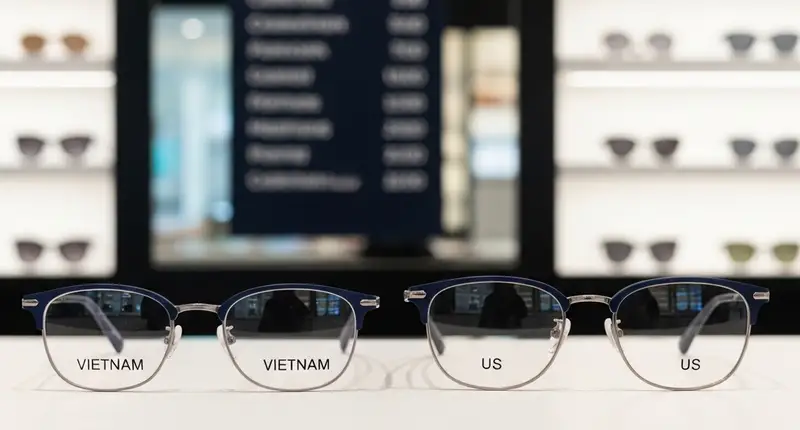
Ngay khi bạn bắt đầu tìm hiểu cost of prescription glasses in vietnam vs us, bạn sẽ thấy mức chênh có thể rất lớn dù cùng một độ cận. Với nhiều người, câu hỏi không chỉ là kính ở đâu rẻ hơn, mà còn là nơi nào đáng tiền hơn khi tính cả khám mắt, gọng, tròng, coating và công lắp ráp. Bài viết này sẽ giúp bạn nhìn rõ cost of prescription glasses in vietnam vs us theo mặt bằng giá 2026, để bạn dễ quyết định hơn nếu đang sống tại Mỹ, về Việt Nam ngắn ngày, hay đơn giản muốn tối ưu ngân sách.
Cost of prescription glasses in Vietnam vs US khác gì?
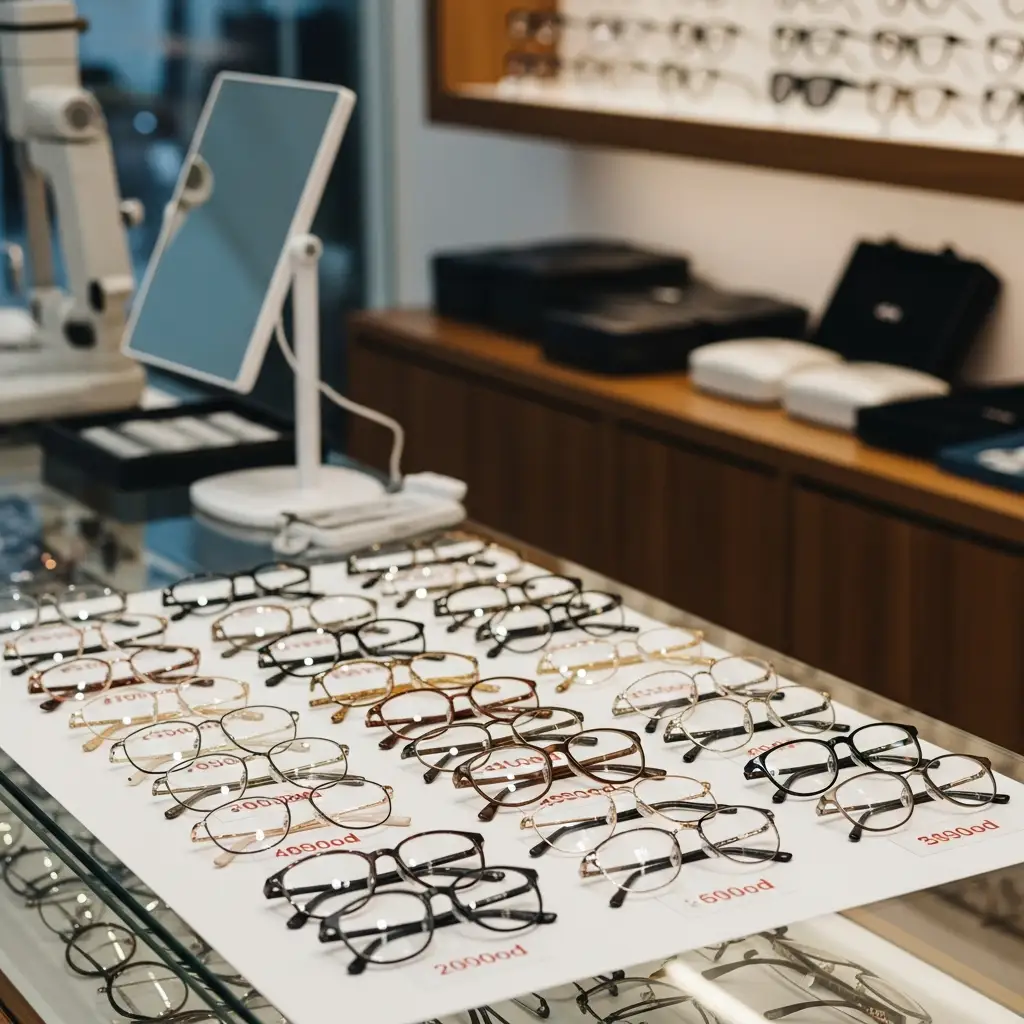
Khi so sánh cost of prescription glasses in vietnam vs us, bạn không nên chỉ nhìn giá niêm yết của một cặp kính. Cách đúng là tách từng cấu phần chi phí, rồi cộng lại theo nhu cầu thực tế của bạn. Nhờ vậy, bạn sẽ tránh cảm giác “giá rẻ giả” hoặc “giá cao nhưng thiếu dịch vụ”.
Kính thuốc gồm những khoản chi phí nào?
Một cặp kính thuốc thường gồm 5 phần chính: khám hoặc đo mắt, gọng kính, tròng kính, lớp phủ bổ sung và công cắt lắp. Đặc biệt, cost of prescription glasses in vietnam vs us là yếu tố quan trọng cần lưu ý. Nếu bạn cần tròng mỏng, chống chói, chống UV hoặc đổi màu, tổng giá có thể tăng khá nhanh.
Nhưng đó chưa phải tất cả.
Tại Việt Nam, nhiều nơi miễn phí đo mắt cơ bản khi bạn cắt kính tại cửa hàng. Về phần cost of prescription glasses in vietnam vs us ngày càng được ưa chuộng. Trong khi đó ở Mỹ, bạn thường phải trả riêng chi phí khám mắt hoặc eye exam, trừ khi gói bảo hiểm thị lực của bạn hỗ trợ một phần.
Vì sao giá kính ở Việt Nam và Mỹ chênh lệch?
Sự khác biệt lớn nhất nằm ở chi phí vận hành và mô hình bán lẻ. Ở Mỹ, tiền thuê mặt bằng, nhân sự, bảo hiểm trách nhiệm, hệ thống khám mắt và thương hiệu thường đẩy giá lên cao hơn đáng kể.
Ở Việt Nam, nhiều cửa hàng có thể gia công nhanh, nguồn gọng đa dạng và mức nhân công thấp hơn. Vì vậy, cost of prescription glasses in vietnam vs us thường cho thấy Việt Nam có lợi thế rõ ở phân khúc phổ thông và trung cấp.
Ai nên quan tâm đến so sánh này trong 2026?
Nếu bạn là Việt kiều, du khách, du học sinh hoặc người đang cân nhắc cắt kính khi về Việt Nam, đây là so sánh rất đáng xem. Ngay cả khi bạn sống tại Việt Nam nhưng định mua gọng hàng quốc tế hoặc tròng cao cấp, việc hiểu cost of prescription glasses in vietnam vs us vẫn giúp bạn tránh mua hớ.
Điều thú vị là gì?
Nhưng đó chưa phải tất cả.
Nếu bạn có độ cận cao, loạn nặng hoặc cần đa tròng, chênh lệch giá có thể không chỉ là vài trăm nghìn mà lên đến vài triệu đồng, thậm chí hơn 200-500 USD tùy thị trường.
Giá kính thuốc ở Việt Nam hiện nay khoảng bao nhiêu?

Nếu mục tiêu của bạn là biết ngay giá kính thuốc ở Việt Nam, phần này sẽ trả lời trực diện. Mức giá thực tế năm 2026 khá rộng, nhưng bạn vẫn có thể chia thành 3 nhóm rõ ràng để dễ ước tính ngân sách trước khi đi cắt kính.
Kính cận ở Việt Nam giá bao nhiêu theo từng phân khúc?
Ở phân khúc cơ bản, bạn có thể mua một cặp kính hoàn chỉnh với giá khoảng 400.000-1.200.000 đồng. Mức này thường gồm gọng phổ thông và tròng đơn tròng cơ bản, phù hợp nếu bạn cận nhẹ và không yêu cầu quá nhiều lớp phủ.
Ở phân khúc tầm trung, giá thường rơi vào 1.200.000-3.500.000 đồng. Đây là mức phổ biến với người cần tròng chống UV, chống phản quang, lọc ánh sáng xanh nhẹ hoặc tròng mỏng hơn.
Ở phân khúc cao cấp, tổng chi phí có thể từ 3.500.000 đến hơn 10.000.000 đồng. Mức này thường đi cùng gọng thương hiệu, tròng chiết suất cao, đa tròng, đổi màu hoặc coating cao cấp.
Vậy thực tế thì sao?
Theo kinh nghiệm thực tế, câu hỏi kính cận ở Việt Nam giá bao nhiêu gần như luôn phụ thuộc vào tròng nhiều hơn gọng. Với người cận trên -5.00, chỉ riêng việc nâng chiết suất tròng đã có thể tăng thêm 700.000-2.500.000 đồng.
Chi phí cắt kính tại Việt Nam gồm những gì?
Chi phí cắt kính tại Việt Nam thường gồm đo mắt cơ bản, tư vấn tròng, mài lắp và chỉnh form kính. Tuy nhiên, bạn nên hỏi rõ đâu là phần đã bao gồm và đâu là phần tính riêng.
Một số cửa hàng niêm yết gọng rất rẻ nhưng cộng thêm tiền tròng, coating và công lắp. Một số nơi khác báo giá trọn gói, giúp bạn dễ so sánh hơn giữa các tiệm.
Cost of prescription glasses in Vietnam với khách du lịch
Nếu bạn là du khách, cost of prescription glasses in Vietnam thường hấp dẫn vì thời gian làm kính nhanh. Nhiều nơi có thể hoàn thiện kính đơn giản trong 30 phút đến 24 giờ, đặc biệt nếu độ không quá phức tạp.
Tuy vậy, bạn nên mang theo đơn kính hiện tại hoặc ít nhất biết rõ độ cận, loạn và PD. Nhiều người dùng chia sẻ rằng họ tiết kiệm được 30%-70% khi cắt kính ở Việt Nam so với Mỹ, nhưng chỉ khi thông số được kiểm tra kỹ.
Nhưng có một vấn đề.
Và đây là điều quan trọng:
Đo khúc xạ để làm kính không hoàn toàn giống khám nhãn khoa chuyên sâu. Nếu bạn có bệnh nền về mắt, bạn vẫn nên khám với bác sĩ nhãn khoa thay vì chỉ đo kính ở cửa hàng.
Prescription glasses cost in US thường đắt ở đâu?
Để hiểu rõ cost of prescription glasses in vietnam vs us, bạn cần nhìn kỹ phía Mỹ. Nhiều người chỉ nghĩ Mỹ đắt vì thương hiệu, nhưng thực tế chi phí cao còn đến từ khám mắt, tròng nâng cấp, bảo hiểm và mô hình bán hàng theo add-on.
Khám mắt và đơn kính ở Mỹ tốn bao nhiêu?
Tại Mỹ, một buổi khám mắt cơ bản để lấy đơn kính thường khoảng 70-200 USD nếu bạn không có vision insurance. Nếu khám chuyên sâu hơn hoặc đi tại cơ sở lớn, chi phí có thể cao hơn.
Điều này tạo khác biệt lớn ngay từ đầu so với Việt Nam. Trong bài toán cost of prescription glasses in vietnam vs us, riêng khâu eye exam tại Mỹ đã có thể bằng hoặc vượt giá cả một cặp kính cơ bản ở Việt Nam.
Bạn có thể đang thắc mắc.
Giá gọng kính tại Mỹ theo cửa hàng và thương hiệu
Gọng kính tại Mỹ có biên độ rất rộng. Gọng phổ thông ở các kênh online hoặc chuỗi giảm giá có thể từ 30-100 USD, nhưng tại cửa hàng truyền thống hoặc thương hiệu nổi tiếng, mức 150-300 USD là khá phổ biến.
Nếu bạn chọn gọng designer, giá có thể lên 300-500 USD hoặc hơn. Đây là lý do prescription glasses cost in US thường khiến nhiều người bất ngờ sau khi cộng đủ các thành phần.
Chi phí tròng kính, coating và lắp ráp ở Mỹ
Phần tròng mới là nơi giá tăng nhanh nhất. Tròng đơn tròng cơ bản có thể từ 50-150 USD, nhưng nếu thêm chống chói, chống UV, blue light, mỏng chiết suất cao hoặc đổi màu, tổng phần tròng có thể lên 150-400 USD.
Với đa tròng, mức giá 250-700 USD không hiếm. Theo kinh nghiệm thực tế, nhiều người ở Mỹ thấy báo giá ban đầu có vẻ hợp lý, nhưng sau khi thêm anti-reflective coating, scratch resistance và high-index lens thì tổng hóa đơn tăng rất mạnh.
Thực tế là…
khi bạn so sánh prescription glasses cost in US với cost of prescription glasses in Vietnam, phần tròng và coating thường tạo ra khoảng cách lớn hơn phần gọng, nhất là nếu bạn có độ cận cao.
Đây là điều ít ai biết.
So sánh giá gọng kính giữa Việt Nam và Mỹ thế nào?
Nếu bạn đang phân vân riêng phần gọng, bạn nên tách nó khỏi tròng để dễ quyết định. Có trường hợp bạn mua gọng ở một nước nhưng lắp tròng ở nước khác, nên hiểu rõ mặt bằng giá gọng sẽ giúp bạn tối ưu hơn nhiều.
Gọng bình dân và tầm trung chênh lệch bao nhiêu?
Tại Việt Nam, gọng bình dân thường từ 150.000-800.000 đồng. Gọng tầm trung phổ biến ở mức 800.000-2.500.000 đồng, tùy chất liệu như acetate, TR90 hay titanium cơ bản.
Tại Mỹ, nhóm gọng tương đương thường cao hơn rõ rệt nếu mua tại cửa hàng vật lý. Chênh lệch có thể từ 30%-150%, tùy địa điểm bán và nguồn hàng.
Gọng thương hiệu quốc tế có rẻ hơn ở Việt Nam không?
Câu trả lời là có thể, nhưng không phải lúc nào cũng vậy. Với cost of prescription glasses in vietnam vs us đóng vai trò không thể thiếu. Với một số mẫu nhập khẩu chính hãng, giá tại Việt Nam đôi khi thấp hơn Mỹ nhờ chương trình phân phối hoặc mức lợi nhuận khác nhau.
Tuy nhiên, với các hãng lớn, chênh lệch đôi khi không quá mạnh vì giá toàn cầu đã được kiểm soát tương đối sát. Khi so sánh giá kính thuốc Việt Nam và Mỹ, bạn nên kiểm tra mã model cụ thể thay vì so chung một thương hiệu.
Câu hỏi đặt ra là gì?
Nên mua gọng online hay tại cửa hàng thực tế?
Nếu bạn đã biết size mặt và form phù hợp, mua online có thể tiết kiệm đáng kể. Nhưng nếu bạn dễ bị đau tai, tuột sống mũi hoặc cần chỉnh form kỹ, cửa hàng thực tế vẫn an toàn hơn.
Trong quá trình sử dụng, nhiều người nhận ra rằng một chiếc gọng rẻ nhưng không vừa mặt sẽ làm trải nghiệm tệ hơn nhiều so với gọng đắt hơn một chút nhưng ôm chuẩn. Đây là điểm bạn không nên bỏ qua khi xem eyeglasses price Vietnam vs USA.
So sánh giá tròng kính Việt Nam và Mỹ ra sao?
Tròng kính là trung tâm của bài toán cost of prescription glasses in vietnam vs us. Dù bạn chọn gọng rẻ hay đắt, phần quyết định độ rõ, độ mỏng và sự thoải mái hàng ngày vẫn là tròng kính.
Tròng đơn tròng, chống UV và blue light giá thế nào?
Ở Việt Nam, tròng đơn tròng cơ bản thường từ 200.000-900.000 đồng/cặp. Nếu thêm chống UV, chống phản quang hoặc blue light, giá có thể tăng lên khoảng 800.000-2.500.000 đồng tùy hãng.
Ở Mỹ, nhóm tròng tương tự thường cao hơn đáng kể. Chỉ riêng blue light hoặc anti-reflective coating đã có thể làm tổng giá tăng thêm 40-120 USD.
Hãy xem ví dụ này.
Tròng mỏng chiết suất cao chênh lệch bao nhiêu?
Nếu bạn cận từ -4.00 trở lên, tròng high-index thường là nâng cấp đáng cân nhắc. Tại Việt Nam, tròng chiết suất 1.60, 1.67 hoặc 1.74 có thể dao động từ 1.500.000 đến hơn 6.000.000 đồng/cặp, tùy hãng và coating.
Tại Mỹ, mức tương đương dễ nằm trong khoảng 150-500 USD, thậm chí cao hơn với thương hiệu lớn. Vì vậy, khi phân tích cost of prescription glasses in vietnam vs us, người cận nặng thường là nhóm thấy chênh lệch rõ nhất.
Tròng đa tròng và tròng đổi màu có đáng tiền không?
Nếu bạn cần nhìn xa và gần trên cùng một kính, đa tròng có thể rất tiện. Tại Việt Nam, đa tròng cơ bản thường từ 2.500.000 đồng trở lên, còn dòng cao cấp có thể vượt 10.000.000 đồng.
Ở Mỹ, đa tròng là nhóm rất dễ đội giá, thường từ 250-700 USD hoặc hơn. Nhiều người dùng chia sẻ rằng họ chọn đo mắt ở Mỹ nhưng đặt kính ở Việt Nam vì phần tròng đa tròng tiết kiệm được khá nhiều.
Vậy câu hỏi đặt ra là…
Bạn có thật sự cần mọi nâng cấp không? Nếu bạn chỉ dùng kính làm việc văn phòng và độ cận nhẹ, không phải lớp phủ nào cũng mang lại giá trị tương xứng.
Nhưng đó chưa phải tất cả.
Những yếu tố nào làm giá kính chênh lệch mạnh?
Bạn sẽ thấy cost of prescription glasses in vietnam vs us không chỉ chênh do một yếu tố đơn lẻ. Giá cuối cùng là kết quả của nhiều lớp chi phí cộng dồn, từ vận hành đến bảo hành và cả cách thị trường đóng gói sản phẩm.
Thuê mặt bằng, nhân công và chi phí vận hành
Ở Mỹ, chi phí mặt bằng bán lẻ và lương nhân sự thường cao hơn nhiều. Điều này tác động trực tiếp đến giá khám mắt, tư vấn, thử gọng và cả chi phí sau bán hàng.
Tại Việt Nam, nhiều cửa hàng quy mô nhỏ hoặc vừa có thể giữ giá thấp hơn nhờ cấu trúc chi phí gọn. Đây là một trong những lý do chính khiến cost of prescription glasses in vietnam vs us tạo khoảng cách rõ rệt ở phân khúc phổ thông.
Thương hiệu, xuất xứ và chính sách bảo hành
Gọng và tròng có thể khác nhau rất lớn về xuất xứ. Hàng nội địa, OEM, nhập khẩu chính hãng hay thương hiệu quốc tế đều có mức giá và chính sách bảo hành khác nhau.
Điều thú vị là gì?
Nếu bạn ưu tiên đổi trả dễ dàng, bảo hành dài hạn và dịch vụ hậu mãi tiêu chuẩn, bạn có thể phải trả cao hơn. Theo kinh nghiệm thực tế, nhiều người sẵn sàng chấp nhận giá cao tại Mỹ vì cần hỗ trợ nhanh khi kính gặp lỗi.
Bảo hiểm thị lực và coupon tại thị trường Mỹ
Đây là biến số rất dễ làm sai lệch so sánh. Nếu bạn có vision insurance, số tiền thực trả ở Mỹ có thể giảm đáng kể, nhưng không phải gói nào cũng cover tròng nâng cấp hoặc gọng thương hiệu.
Ngược lại, nếu bạn không có bảo hiểm, tổng hóa đơn ở Mỹ thường cao hơn rõ. Bạn có thể xem thêm thông tin nền về hệ thống chăm sóc mắt tại American Optometric Association để hiểu rõ hơn về khám mắt và dịch vụ thị lực.
Nhưng đó chưa phải tất cả.
Nhiều coupon ở Mỹ chỉ áp dụng cho phần gọng hoặc gói cơ bản. Khi bạn nâng cấp lên tròng mỏng, đổi màu hay đa tròng, khoản giảm giá thực tế có thể không còn quá lớn.
Mua kính thuốc rẻ hơn ở Việt Nam có đáng không?
Đây là câu hỏi rất thực tế, nhất là nếu bạn sắp về Việt Nam vài ngày hoặc muốn làm kính dự phòng. Câu trả lời là có thể rất đáng, nhưng chỉ khi bạn chuẩn bị đúng thông số và chọn nơi đủ uy tín.
Vậy thực tế thì sao?
Khi nào nên cắt kính ở Việt Nam để tiết kiệm?
Nếu bạn đã có đơn kính mới, biết rõ PD và không có bệnh lý mắt phức tạp, cắt kính ở Việt Nam thường rất tiết kiệm. Trường hợp này đặc biệt phù hợp nếu bạn cần kính phụ, kính đi làm hoặc kính đổi màu.
Với người cận nặng, người cần high-index hoặc đa tròng, cost of prescription glasses in vietnam vs us thường nghiêng mạnh về phía Việt Nam. Mức tiết kiệm có thể lên đến vài triệu đồng cho mỗi cặp kính.
Những rủi ro cần lưu ý khi làm kính nhanh
Làm nhanh không phải lúc nào cũng xấu, nhưng bạn cần kiểm tra kỹ. Rủi ro phổ biến là sai độ, sai tâm tròng, chưa thích nghi với đa tròng hoặc chất lượng coating không như quảng cáo.
Nếu bạn là du khách và sắp bay về, bạn nên nhận kính sớm để đeo thử ít nhất vài giờ. Nhiều người dùng chia sẻ rằng họ chỉ phát hiện kính hơi chóng mặt sau khi đeo liên tục, không phải lúc thử trong 5 phút đầu.
Cách kiểm tra đơn kính và thông số trước khi mua
Bạn nên kiểm tra SPH, CYL, AXIS và PD trước khi xác nhận đơn. Nếu là đa tròng, bạn cần đo thêm chiều cao lắp tròng và thói quen sử dụng thực tế.
Nhưng có một vấn đề.
Bạn cũng nên yêu cầu cửa hàng ghi rõ tên tròng, chiết suất, coating và thời gian bảo hành trên hóa đơn. Khi đó, việc so sánh giá kính thuốc Việt Nam và Mỹ sẽ chính xác hơn nhiều thay vì chỉ nghe báo giá miệng.
Nên chọn nơi cắt kính nào để tối ưu chi phí?
Giá rẻ không tự động đồng nghĩa với tiết kiệm. Nếu kính sai tâm hoặc tròng chất lượng kém, bạn có thể phải làm lại từ đầu, khiến tổng chi phí còn cao hơn. Vì vậy, bạn nên chọn nơi cắt kính theo tiêu chí tổng giá trị chứ không chỉ nhìn mức giá thấp nhất.
Tiêu chí chọn tiệm kính uy tín tại Việt Nam
Bạn nên ưu tiên nơi có máy đo khúc xạ, máy mài lắp rõ ràng và quy trình tư vấn minh bạch. Khi nói đến cost of prescription glasses in vietnam vs us luôn được nhiều người quan tâm. Nếu cửa hàng giải thích được sự khác nhau giữa các chiết suất và coating, đó thường là dấu hiệu tốt.
Bạn cũng nên xem đánh giá thực tế từ khách hàng về độ chính xác và hậu mãi. Trong quá trình sử dụng, sự hỗ trợ chỉnh gọng, siết ốc và xử lý khó chịu ban đầu rất đáng giá.
Bạn có thể đang thắc mắc.
Khi nào nên ưu tiên chuỗi lớn thay vì cửa hàng nhỏ?
Chuỗi lớn thường phù hợp nếu bạn cần quy trình ổn định, bảo hành rõ và danh mục tròng có nguồn gốc dễ kiểm tra. Cửa hàng nhỏ lại có thể linh hoạt về giá và tư vấn sát nhu cầu hơn.
Nếu đơn kính của bạn phức tạp, bạn nên ưu tiên nơi có kinh nghiệm xử lý cận nặng, loạn cao hoặc đa tròng. Đây là điểm quan trọng hơn việc chênh vài trăm nghìn đồng ở báo giá ban đầu.
Mẹo hỏi báo giá để tránh phát sinh chi phí
Bạn nên hỏi theo gói trọn: gọng, tròng, coating, công lắp và bảo hành. Nếu chỉ hỏi “giá kính bao nhiêu”, bạn rất dễ nhận được mức giá chưa bao gồm phần quan trọng nhất.
Bạn cũng nên hỏi rõ có phát sinh phí đo mắt hay không, thời gian làm kính là bao lâu, và nếu đeo không hợp thì chỉnh hoặc đổi ra sao. Đây là cách rất thực tế để kiểm soát cost of prescription glasses in vietnam vs us khi bạn đang cân nhắc hai thị trường.
Và đây là điều quan trọng:
Đây là điều ít ai biết.
Một nơi báo giá cao hơn 10%-15% nhưng dùng tròng đúng thông số và hậu mãi tốt thường vẫn đáng tiền hơn nơi rẻ nhất nhưng thiếu minh bạch.
Kết luận: so sánh giá kính thuốc Việt Nam và Mỹ
Sau khi đi qua từng phần, bạn có thể thấy cost of prescription glasses in vietnam vs us không phải là câu chuyện một chiều. Việt Nam thường rẻ hơn rõ rệt ở tổng chi phí, nhưng Mỹ có thể mạnh hơn về bảo hiểm, quy trình khám mắt và hậu mãi tại chỗ nếu bạn đang sinh sống lâu dài.
Ai tiết kiệm nhiều nhất khi mua ở Việt Nam?
Bạn sẽ tiết kiệm nhiều nhất nếu thuộc một trong các nhóm sau: đã có đơn kính chính xác, cần kính dự phòng, cận nặng cần tròng mỏng, hoặc muốn làm đa tròng với ngân sách hợp lý. Đây là nhóm thường cảm nhận rõ nhất lợi thế của cost of prescription glasses in Vietnam.
Nếu bạn đang hỏi mua kính thuốc rẻ hơn ở Việt Nam có đáng không, câu trả lời thường là đáng khi bạn chuẩn bị kỹ và chọn đúng nơi.
Khi nào mua kính ở Mỹ vẫn đáng hơn?
Nếu bạn có vision insurance tốt, cần khám mắt chuyên sâu định kỳ hoặc muốn xử lý bảo hành thuận tiện gần nơi ở, mua tại Mỹ vẫn hợp lý. Điều này đặc biệt đúng nếu bạn không có thời gian kiểm tra và chỉnh sửa kính sau khi rời Việt Nam.
Câu hỏi đặt ra là gì?
Nói cách khác, cost of prescription glasses in vietnam vs us nên được so theo chi phí thực trả và sự thuận tiện dài hạn của chính bạn.
Checklist ra quyết định trước khi cắt kính
Bạn nên tự hỏi 5 điều trước khi mua. Bạn đã có đơn kính mới chưa, bạn có cần tròng mỏng hay đa tròng không, ngân sách tối đa là bao nhiêu, bạn có cần bảo hành tại chỗ không, và bạn có đủ thời gian đeo thử trước khi rời cửa hàng không.
Nếu bạn trả lời rõ 5 câu này, việc so sánh cost of prescription glasses in vietnam vs us sẽ trở nên đơn giản hơn rất nhiều.
FAQ
Kính cận ở Việt Nam giá bao nhiêu vào năm 2026?
Mức cơ bản thường từ 400.000-1.200.000 đồng cho cả gọng và tròng đơn tròng cơ bản. Mức tầm trung khoảng 1.200.000-3.500.000 đồng, còn cao cấp có thể từ 3.500.000 đến hơn 10.000.000 đồng.
Nếu tách riêng, gọng có thể từ 150.000 đồng đến vài triệu đồng, còn tròng phụ thuộc độ cận, chiết suất và lớp phủ. Người cận cao hoặc cần tròng mỏng sẽ có tổng chi phí cao hơn đáng kể.
Hãy xem ví dụ này.
Cost of prescription glasses in Vietnam có bao gồm khám mắt không?
Không phải lúc nào cũng có. Nhiều cửa hàng miễn phí đo mắt cơ bản nếu bạn cắt kính tại đó, nhưng khám mắt chuyên sâu hoặc khám nhãn khoa có thể tính phí riêng.
Bạn nên phân biệt đo khúc xạ để làm kính với khám mắt y khoa. Nếu bạn có dấu hiệu bệnh lý mắt, chỉ đo độ kính là chưa đủ.
Prescription glasses cost in US vì sao thường cao hơn?
Lý do chính gồm chi phí khám mắt, mặt bằng, nhân công, thương hiệu và các khoản add-on cho tròng kính. Chưa kể, nhiều cửa hàng ở Mỹ báo giá cơ bản thấp nhưng khi thêm anti-reflective, blue light hoặc high-index thì tổng hóa đơn tăng rất nhanh.
Nếu bạn không có bảo hiểm thị lực, chênh lệch giữa Mỹ và Việt Nam thường càng rõ.
Mua kính thuốc rẻ hơn ở Việt Nam có phù hợp với du khách không?
Có, nếu bạn mang theo đơn kính chính xác hoặc đo lại tại nơi uy tín. Lợi thế lớn là giá tốt và thời gian làm nhanh, đôi khi chỉ trong ngày.
Nhưng đó chưa phải tất cả.
Tuy nhiên, bạn nên kiểm tra kỹ PD, đeo thử trước khi rời cửa hàng và hỏi rõ chính sách bảo hành sau khi về nước. Đây là điểm rất quan trọng với du khách.
So sánh giá kính thuốc Việt Nam và Mỹ có nên tính cả bảo hiểm?
Có, nhưng bạn nên tách thành 2 trường hợp: có vision insurance và không có vision insurance tại Mỹ. Nếu không tách riêng, bạn rất dễ so sánh sai tổng chi phí thực trả.
Nhiều gói bảo hiểm chỉ hỗ trợ một phần gọng hoặc tròng cơ bản, nên bạn vẫn cần cộng thêm phần nâng cấp nếu có.
Eyeglasses price Vietnam vs USA khác nhau nhiều ở phần gọng hay tròng?
Thường cả hai đều chênh, nhưng phần tròng và lớp phủ thường tạo ra khoảng cách lớn hơn. Điều này đặc biệt đúng với tròng mỏng chiết suất cao, đa tròng và tròng đổi màu.
Ví dụ, một chiếc gọng có thể chỉ chênh vài chục đến hơn 100 USD, nhưng riêng phần tròng nâng cấp có thể chênh mạnh hơn nhiều. Vì vậy, khi xem eyeglasses price Vietnam vs USA, bạn nên soi kỹ phần tròng trước tiên.
Xem thêm:
- Where to Buy Glasses in Da Lat as a Tourist — Your Complete Guide
- Walk In Eye Check in Da Lat — No Appointment, Professional 12-Step Exam
- Comprehensive Eye Exam in Vietnam — What to Expect and Why It Matters
- Eye Prescription Translation in Vietnam — How Local Opticians Read Your Foreign Rx
- high index lenses 1.67 1.74 in Vietnam guide
Bài viết cùng chủ đề:

ZEISS DuraVision Benefits, Coatings & Price Guide
Essilor vs Zeiss: Which Lenses Are Better?

handmade acetate frames in da lat: Smart Buyer Tips
Hoya vs Chemi lenses comparison guide

Carl Zeiss Vision Lenses in Vietnam Guide

Lightweight Rimless Glasses in Da Lat Guide

Buying prescription lenses in Vietnam: A-Z Guide

Custom reading glasses in Da Lat: best fit guide

Bifocal reading glasses in Da Lat: 2026 guide

Varifocal Glasses in Da Lat: Buyer’s Guide

Vision Test for Foreigners in Da Lat — What to Expect From a 12-Step Professional Eye Exam

Expat Optician Recommendations in Da Lat — An Honest Guide From Someone Who Has Been There
Reliable Optical Store for Expats in Vietnam — How to Find One You Can Actually Trust

Emergency Broken Glasses Fix in Da Lat — Fast Walk-In Repair When You Need It Most

English Speaking Eye Doctor in Da Lat — What You Actually Need to Know

Quick Glasses Replacement for Travelers — What to Do When Your Glasses Break in Vietnam


