


ZEISS DuraVision Benefits, Coatings & Price Guide
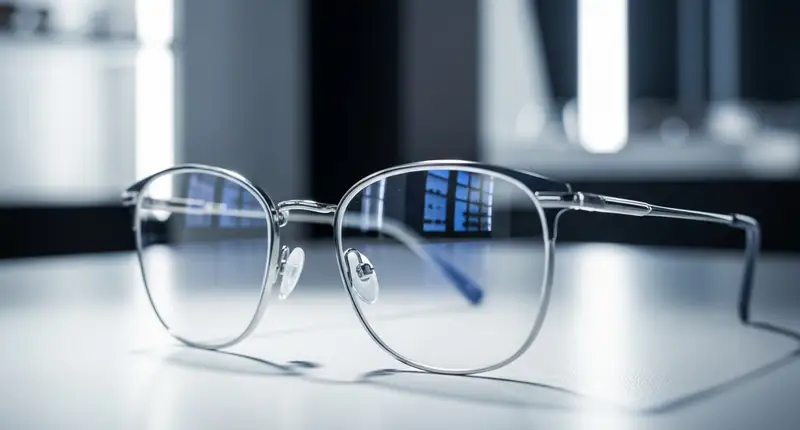
If you’re updating an older post about zeiss duravision, the key is to make it useful for real buyers in 2026, not just technically accurate. You want to know what it is, how it helps in daily wear, which ZEISS DuraVision coating option makes sense, and whether the extra cost is actually worth paying.
What Is ZEISS DuraVision and How Does It Work?
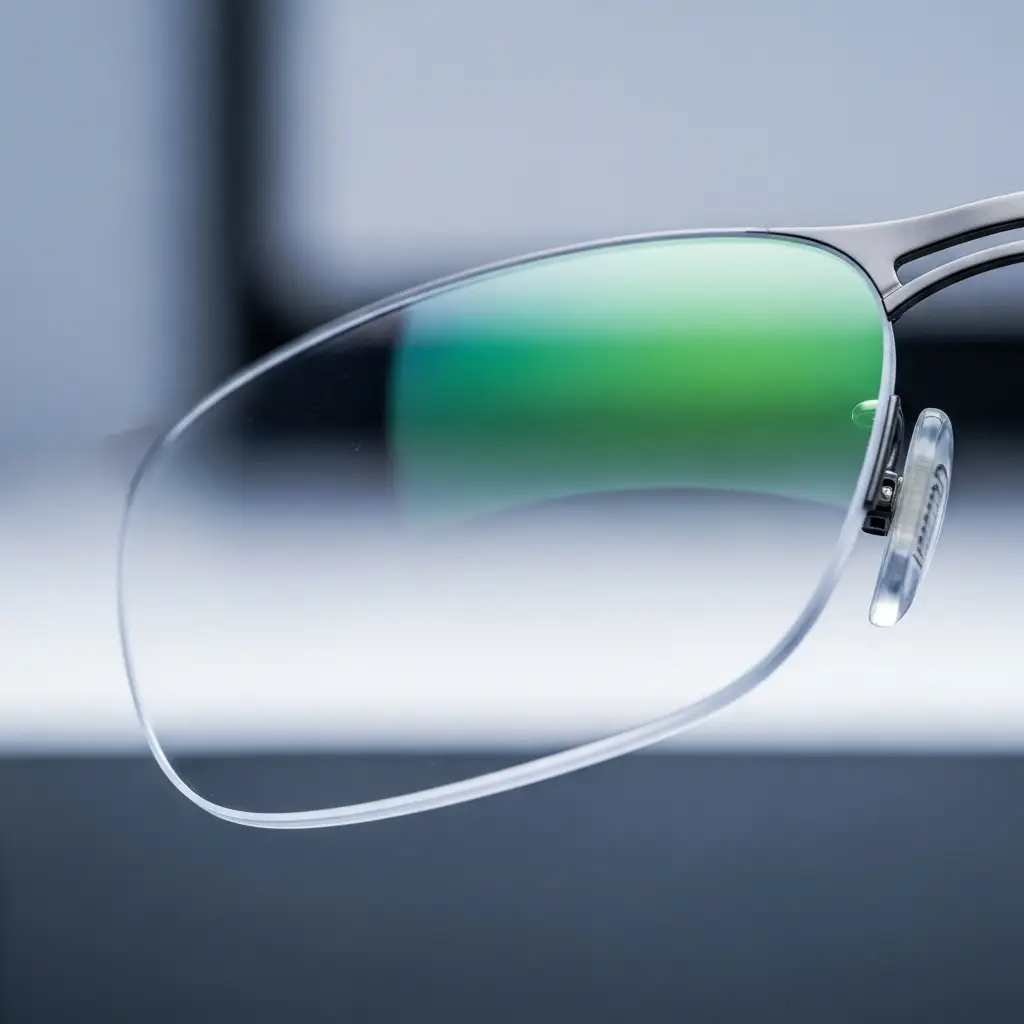
When you buy premium lenses, the coating matters almost as much as the prescription. ZEISS DuraVision is a family of ZEISS eyeglass lens coatings designed to reduce reflections, improve lens clarity, resist smudges, and add durability. If you want cleaner-looking lenses and more comfortable vision, this is where the conversation starts.
How ZEISS lens coatings are applied to eyeglass lenses
ZEISS DuraVision is not a single layer. It is a multilayer coating system applied to lens surfaces to improve optical performance and everyday wear resistance.
In simple terms, these coatings are built up in thin layers that can help reduce glare, support easier cleaning, and improve resistance to fine surface damage. Many premium coating systems in the eyewear industry use this multilayer approach because even tiny surface improvements can noticeably affect what you see.
Based on real-world experience, many wearers don’t fully appreciate coating quality until they compare two lenses side by side. A lens with a strong anti-reflective system usually looks clearer, attracts less attention in photos, and often feels more comfortable under bright lighting.
But that’s not all.
What makes anti-reflective coating ZEISS different
The main goal of an anti-reflective coating ZEISS offers is to reduce the reflections that bounce off the front and back of your lenses. Less reflection can mean better contrast, easier eye contact, and reduced distraction from headlights, office lighting, and digital screens.
According to general optics principles, untreated lenses can reflect a noticeable portion of incoming light, while anti-reflective systems can significantly reduce that reflection. In practice, this often matters most at night, during computer use, and in settings with multiple light sources.
But here’s the thing.
Not all anti-reflective coatings perform the same way over time. Some lenses may start out clear but become frustrating if they attract fingerprints, dust, or oily smears too easily.
Core features: clarity, cleanability, and durability
The biggest ZEISS lens coating benefits usually fall into three areas: clearer vision, easier cleaning, and better surface toughness. That combination is why premium coatings are often recommended for all-day wear.
A scratch resistant lens coating does not make lenses scratch-proof, but it can help reduce everyday micro-abrasion from normal use. Smudge-resistant top layers can also make it faster to wipe off fingerprints, skin oils, and dust.
Many users report that coated premium lenses simply feel lower-maintenance over the life of the glasses. That can matter a lot if you clean your lenses several times a day, which many people do without even noticing.
What makes this interesting?
Top ZEISS Lens Coating Benefits for Everyday Wear

You don’t buy lens coatings for marketing language. You buy them because they can make your glasses easier to live with every day, whether you work on a screen, drive after dark, or just hate constantly wiping your lenses. That’s where ZEISS DuraVision becomes more than a premium add-on.
Reduced glare for screens, daylight, and night driving
One of the most noticeable ZEISS lens coating benefits is glare reduction. If you spend 6 to 10 hours a day looking at screens, overhead lighting, windows, and bright indoor environments can create visual fatigue that feels worse with lower-grade coatings.
For drivers, this can matter even more. According to the World Health Organization, vision is a major factor in road safety, and reducing distracting reflections can support more comfortable viewing conditions, especially at night.
In practice, wearers often notice the difference first during evening driving. Headlights, street lamps, and dashboard reflections can feel less harsh when your lenses are doing a better job controlling surface glare.
Easier cleaning and less dust or fingerprint buildup
Cleaning convenience sounds minor until you deal with messy lenses every day. Many ZEISS eyeglass lens coatings include surface properties aimed at helping lenses stay cleaner and wipe clean more easily.
So what does this mean in practice?
If you touch your lenses often, work in air-conditioned offices, or move between indoor and outdoor environments, this can make a real difference. Many users report fewer stubborn smears and less time spent buffing the same spot repeatedly.
You might be wondering.
Is this just about convenience, or does it also affect how your lenses look? The answer is both.
How coatings improve comfort and lens appearance
A good coating can improve lens appearance because lower reflection makes the lenses look more transparent. That means people can see your eyes more clearly, which is one reason anti-reflective coatings are popular for both professional and cosmetic reasons.
Comfort also matters. When reflections are reduced, your visual system may feel less “busy,” especially in mixed lighting conditions such as offices, shopping centers, or nighttime streets.
And that’s not all.
UV protection ZEISS lenses can provide may depend on the lens material and design, not only the coating. Still, coatings often work as part of a broader lens package that supports durability, comfort, and protective performance.
ZEISS DuraVision Coating Options Explained Clearly
Shopping for coatings gets confusing fast because retailers may package them differently. ZEISS DuraVision coating options are usually positioned around premium anti-reflective performance, durability, and specialized use cases like screen-heavy lifestyles. The right choice depends on what you do all day, not just what sounds advanced.
But there is a catch.
ZEISS DuraVision Platinum and premium AR performance
ZEISS DuraVision Platinum is commonly presented as a premium anti-reflective option with strong performance in reflection control, cleanability, and durability. If you want a top-tier everyday coating, this is often the option you’ll hear about first.
A DuraVision Platinum review usually focuses on three things: clearer lens appearance, easier maintenance, and a more durable feel over time. Many users who upgrade from basic AR coatings say the difference is most obvious when cleaning the lenses or driving at night.
In real-life optical dispensing, premium AR coatings are often chosen by people replacing glasses every 1 to 3 years and wanting the best surface treatment available. That does not automatically make Platinum necessary for everyone, but it does make it appealing if you dislike compromises.
DuraVision BlueProtect for screen-heavy lifestyles
DuraVision BlueProtect is designed for people who spend long periods around digital devices and indoor LED lighting. It is generally discussed as a coating option that addresses blue light exposure from modern visual environments while still offering anti-reflective benefits.
If you work on a computer all day, this may sound ideal. But your benefit depends on your sensitivity, your visual habits, and whether your optician thinks a blue-management coating fits your routine.
You might be wondering.
According to various digital behavior reports, adults in many markets spend 7+ hours a day with screens. That helps explain why DuraVision BlueProtect continues to attract attention among office workers, students, and remote professionals.
Other ZEISS eyeglass lens coatings and finish options
Depending on your market, you may also encounter other ZEISS eyeglass lens coatings or retailer-specific bundles. Availability can vary by country, lab partner, lens material, and whether coatings are packaged with premium lens designs.
That means you should not assume every store carries the same lineup. Ask what coating tier is included by default, what upgrade options exist, and whether the quote includes scratch resistance, anti-reflective treatment, and smudge-resistant top layers.
Here’s what most people miss:
The same brand name can feel different depending on how the retailer bundles the lens, coating, warranty, and fitting service. The coating is important, but so is the overall lens package.
DuraVision Platinum Review: Is the Premium Upgrade Worth It?
If you’re comparing standard AR against premium upgrades, this is the decision point. DuraVision Platinum is usually marketed as a higher-end ZEISS DuraVision option for people who want stronger all-around performance. Whether it is worth it depends on how much you value easier maintenance and better day-to-day lens appearance.
Here’s something most people overlook.
Performance advantages over standard coatings
A premium coating like Platinum is typically expected to offer improved reflection control, better smudge resistance, and stronger durability compared with entry-level AR coatings. That does not mean basic coatings are bad, but it does mean the user experience can feel more refined.
Many users report that premium coatings stay visually cleaner during the day and require less aggressive wiping. If you clean your lenses 3 to 5 times daily, that difference can become meaningful over a year of wear.
Who benefits most from Platinum-level protection
You may get the most value from Platinum if you wear your glasses full time, drive often at night, work in bright office lighting, or simply want the lenses to look less reflective. It can also make sense if you are paying for premium lenses already and don’t want the coating to be the weak point.
Based on real-world experience, this upgrade tends to make the most sense for professionals, frequent drivers, and people who are especially bothered by dirty or hazy-looking lenses. If you are investing in thinner high-index lenses, a premium coating often becomes even more important because higher-index materials can reflect more light.
Potential trade-offs in price and availability
The main downside is price. Premium coating upgrades can increase the total lens cost noticeably, especially when combined with progressive lenses, high-index materials, or retailer packages with higher margins.
What is the key question here?
Availability can also vary. Some stores may emphasize one ZEISS DuraVision coating over another based on local demand or lab partnerships.
But here’s the thing.
If your current frustration is not glare, cleaning, or lens appearance, you may not feel a dramatic difference. The upgrade pays off best when it solves a problem you actually notice every day.
DuraVision BlueProtect: Who Should Consider It?
Blue-light-related lens choices can be polarizing, so it helps to stay practical. DuraVision BlueProtect is best understood as a targeted ZEISS DuraVision option for people with heavy digital exposure and indoor lighting demands. It is not automatically the best coating for everyone, but it may suit specific routines well.
How BlueProtect targets blue light from devices
DuraVision BlueProtect is designed around managing part of the blue light spectrum associated with digital devices and artificial indoor light. It is usually positioned for people who spend long hours on computers, tablets, phones, or under bright LED illumination.
If you regularly work through evenings on multiple screens, this may be worth discussing with your optician. In practice, some wearers choose it because they want a coating aligned with digital-heavy lifestyles, not because they expect a dramatic overnight change.
Consider this example.
When standard AR may be enough instead
A standard premium anti-reflective coating ZEISS offers may be enough if your main concern is glare reduction, easier cleaning, and general visual clarity. If you do not spend long hours on screens or you already manage digital strain with lighting changes and screen habits, BlueProtect may not be necessary.
Many users report excellent satisfaction with standard premium AR alone. That’s why your daily routine should guide the choice more than the product label.
Questions to ask your optician before choosing
Ask whether BlueProtect is recommended for your prescription, your work environment, and your lens material. Also ask whether the visual appearance differs from standard AR and whether there is any trade-off in color reflection or cosmetic look.
You should also ask what other comfort strategies matter. Screen distance, room lighting, font size, blink rate, and breaks can all influence how your eyes feel by the end of the day.
You might be wondering.
Should you pay extra for BlueProtect if you already want Platinum-level quality? The answer depends on which coating combinations are available in your local ZEISS range in 2026.
How ZEISS Compares With Other Lens Coating Brands
Brand comparisons matter, but the smartest way to compare is by features, not slogans. ZEISS competes in the premium coating category with other major lens makers offering anti-reflective, hydrophobic, oleophobic, and scratch resistant lens coating systems. What matters most is how those features match your daily use.
But that’s not all.
Comparing anti-reflective performance and durability
Premium AR systems from leading brands usually aim at the same core goals: reduce reflections, improve cosmetic appearance, and increase wearing comfort. Differences often show up in ease of cleaning, perceived durability, and how consistently the coating performs over time.
In practice, ZEISS often appeals to buyers who prioritize optical branding and premium lens packages. But a comparable coating from another top brand may also perform well if the retailer uses a reliable lab and offers solid after-sales support.
Scratch resistant lens coating features across brands
Every major brand promotes durability, but no lens coating is fully scratch-proof. Scratch resistance is best understood as extra protection against routine wear, not a guarantee against keys, sand, rough paper towels, or careless storage.
That means you should compare the full coating stack, not just the word “scratch resistant.” Some packages perform better because they combine hard-coat layers with stronger top-coat resistance to oil, dust, and repeated cleaning.
Value, warranty, and optical retailer differences
Warranty and remake policy can matter as much as brand. If one retailer offers a stronger replacement policy or better fitting service, that may deliver better overall value than a lower price elsewhere.
What makes this interesting?
Here’s what most people miss:
The same ZEISS DuraVision coating can feel like a better or worse deal depending on measurement quality, frame fit, and aftercare. A premium lens sold poorly may still disappoint.
ZEISS DuraVision Price Guide and Cost Factors
Price is one of the biggest reasons people hesitate. In 2026, the cost of ZEISS DuraVision depends less on the coating name alone and more on the full lens package you choose. If you compare only one line item, you may miss the real reason one quote is much higher than another.
What affects the total price of coated ZEISS lenses
Your final cost can change based on prescription strength, single vision versus progressive design, lens material, index, tint options, and retailer markup. The same ZEISS DuraVision coating on a basic single-vision lens will usually cost much less than on a premium progressive high-index lens.
Region also matters. Optical pricing can vary significantly between cities, countries, and independent versus chain retailers.
Why premium coatings cost more than basic AR
Premium coatings cost more because they are positioned as higher-performance surface treatments with better reflection control, easier cleaning, and improved wear resistance. You are paying for a more complete lens experience, not just a lower-glare surface.
So what does this mean in practice?
As general guidance for 2026 shoppers, coating upgrades can range from relatively modest add-ons to substantial premium package increases depending on the store. If you’re quoted prices, ask whether the coating is bundled with lens design upgrades or sold separately.
How to compare quotes from optical retailers
Always compare the full specification. Check lens brand, lens design, index, coating tier, warranty period, remake policy, and whether fitting measurements are personalized.
If one quote is 20% to 40% higher, that does not automatically mean overpricing. It may include a better lens design, stronger service package, or a higher ZEISS DuraVision coating tier.
And that’s not all.
Ask whether the store is quoting a true ZEISS package or a mixed-brand bundle. That can change value considerably.
How to Choose the Best ZEISS Coating for You
The best coating is the one that matches how you actually live. ZEISS DuraVision options can be excellent, but the smartest choice depends on your screen time, driving habits, cleaning habits, budget, and expectations. If you start with your routine, the decision becomes much easier.
Best options for office work, driving, and outdoor use
If you work in front of screens all day, a premium AR coating or DuraVision BlueProtect may be worth discussing. If you drive frequently at night, prioritizing glare reduction and lens clarity usually makes more sense than chasing specialized features you may not notice.
But there is a catch.
For general outdoor use, your lens material and sun protection setup matter too. UV protection ZEISS lenses can support depends on the lens itself, and sunglasses or photochromic lenses may matter more than coating choice alone for bright sun conditions.
Choosing based on budget versus premium features
If your budget is tight, start with a good anti-reflective coating before adding extra options. If your budget allows, a premium ZEISS DuraVision coating may offer better long-term satisfaction through easier cleaning, better appearance, and less irritation from reflections.
Many users report that they regret underbuying more than overbuying when they wear glasses every day. But if you wear glasses only occasionally, a basic or mid-tier option may be perfectly reasonable.
Mistakes to avoid when buying lens coatings
Don’t choose based only on one marketing term. Ask what practical difference you’ll notice and whether the upgrade helps with your actual frustrations.
Also avoid using rough tissues, shirt hems, or household cleaners after buying premium lenses. Even the best ZEISS lens coating benefits can be undermined by poor care habits.
Care Tips to Make ZEISS Lens Coatings Last Longer
Even premium coatings wear according to how you treat them. If you want your ZEISS DuraVision lenses to stay clear and attractive, good cleaning habits matter as much as the product itself. The better your care routine, the longer your coating tends to perform well.
You might be wondering.
How to clean coated lenses safely
Rinse lenses first if dust or debris is present. Then use a lens-safe cleaner or mild soap with lukewarm water and dry with a clean microfiber cloth.
This reduces the risk of rubbing tiny particles across the surface. In practice, this one habit alone helps many wearers preserve coating quality longer.
Products and habits that can damage coatings
Avoid hot water, harsh chemicals, ammonia-based cleaners, and dry wiping dusty lenses. Paper towels, napkins, and shirt fabric can gradually create fine surface wear.
You should also avoid leaving glasses in hot cars. Excessive heat can stress lens coatings and frames over time.
When to replace lenses with worn coatings
If you see peeling, widespread haze, persistent smearing, or scratches that interfere with vision, it may be time to replace the lenses. Most people replace prescription eyewear on a cycle of roughly 1 to 3 years, though usage and prescription changes vary.
Based on real-world experience, worn coatings become especially noticeable during night driving and screen use. If cleaning no longer restores clarity, replacement is usually the better option.
FAQ
What does ZEISS DuraVision do?
ZEISS DuraVision is a lens coating system designed to reduce reflections, improve clarity, resist smudges, and increase surface durability. It helps your lenses look clearer, feel easier to clean, and perform better in everyday lighting.
Here’s something most people overlook.
Is ZEISS DuraVision worth the extra cost?
It can be worth it if you wear glasses full time, drive at night, use screens heavily, or want premium lenses that stay cleaner and look less reflective. If you wear glasses only occasionally or have a limited budget, a standard coating may be enough.
What is the difference between DuraVision Platinum and BlueProtect?
DuraVision Platinum is mainly focused on premium anti-reflective performance, easy cleaning, and stronger durability. DuraVision BlueProtect is aimed more at blue light management for people with screen-heavy indoor lifestyles.
Does ZEISS DuraVision include UV protection?
UV protection may depend more on lens material and lens design than on the coating alone. Still, ZEISS coatings can be part of a broader lens package that supports overall lens protection and comfort.
How much does ZEISS DuraVision cost in 2026?
In 2026, cost varies widely based on prescription, lens design, lens material, retailer, and whether the coating is bundled into a premium package. Expect pricing to range from modest upgrade fees to significantly higher totals on premium progressive or high-index lenses.
How long do ZEISS lens coatings last?
ZEISS lens coatings can last for years, but lifespan depends on cleaning habits, storage, daily wear, and environmental exposure. With careful use, many people keep coated lenses performing well until their normal lens replacement cycle.
Bài viết cùng chủ đề:
-
Gọng kính Bolon chính hãng: mẫu đẹp, giá tốt
-

Tròng kính viễn thị là gì? Cách chọn đúng loại
-
Gọng kính nửa viền: Đẹp, nhẹ, hợp mặt nào?
-
Tròng kính Chemi: Giá, ưu điểm và cách chọn 2026
-

Gọng kính không viền: ưu điểm và cách chọn chuẩn
-
Gọng kính TR90 là gì? Ưu điểm, cách chọn chuẩn
-
Tròng Kính Kodak — Review Chi Tiết Và Bảng Giá Tại Đà Lạt
-
Tròng kính loạn thị: Cách chọn loại phù hợp
-

Dòng Tròng Hoya — Review Chi Tiết Thương Hiệu Nhật Bản
-
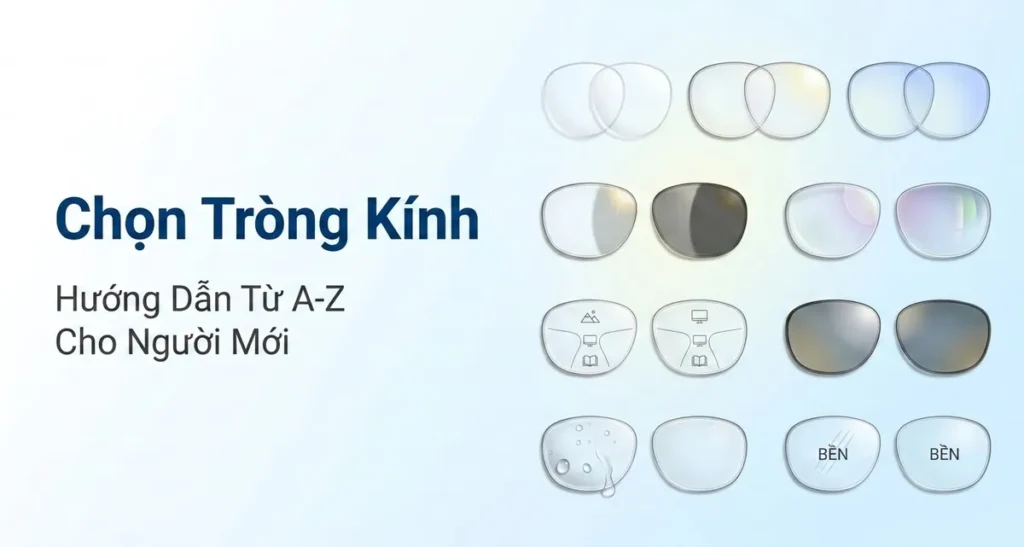
Hướng Dẫn Chọn Tròng Kính Từ A-Z — Cho Người Mới Bắt Đầu
-
Essilor vs Zeiss: Which Lenses Are Better?
-

Dòng Tròng Zeiss — Review Chi Tiết Công Nghệ Quang Học Đức
-

handmade acetate frames in da lat: Smart Buyer Tips
-
Hoya vs Chemi lenses comparison guide
-
essilor vs zeiss lenses price in Vietnam guide
-

Chemi lenses price in Vietnam: 2026 buying guide

