


No products in the cart.
Hoya vs Chemi lenses comparison guide
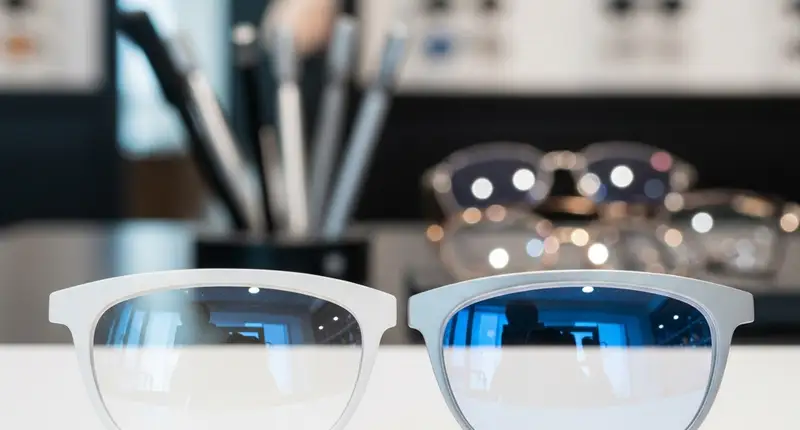
If you wear glasses every day, choosing between Hoya and Chemi can feel harder than it should be. This hoya vs chemi lenses comparison is built to help you decide based on what actually matters in 2026: visual comfort, coating performance, durability, and price. Instead of asking only which brand sounds better, you should ask which one fits your eyes, your routine, and your budget.
Many shoppers looking for a hoya vs chemi lenses comparison are really trying to answer a more practical question: which lenses will feel better after 8 to 12 hours of daily wear? That is exactly where this guide focuses. You will see the trade-offs clearly, whether you are comparing Japanese vs Korean eyeglass lenses for the first time or replacing an older pair.
Hoya vs Chemi lenses comparison: key differences
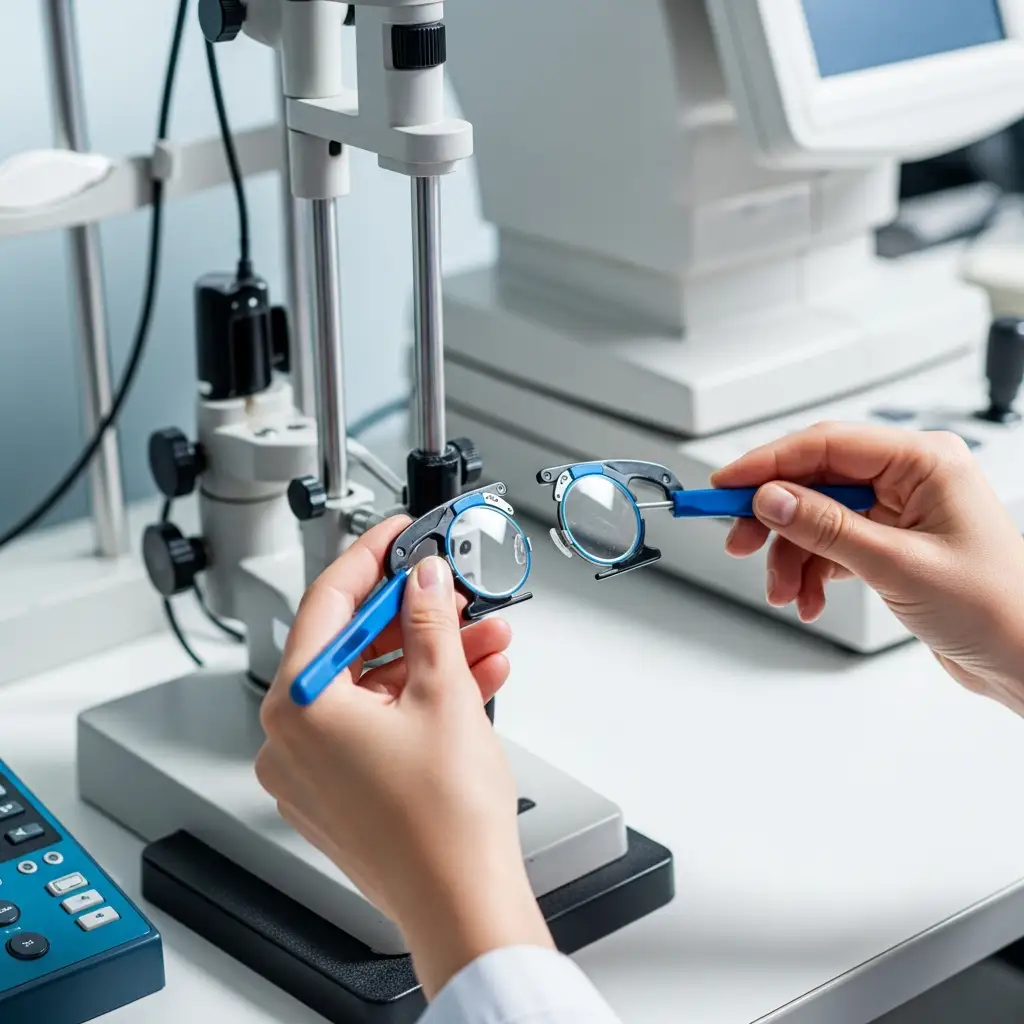
When you compare these two brands, the real choice is not simply premium versus affordable. The better question is what kind of lens experience you want every day. In this section, you will get a clear side-by-side view of brand background, ideal users, and the main feature gaps.
Brand background: Japanese vs Korean eyeglass lenses
Hoya is a Japanese optical brand with a long-standing global presence in lens manufacturing. It is often associated with more premium positioning, especially in lens design, coatings, and higher-end prescription options. If you are researching Japanese vs Korean eyeglass lenses, Hoya usually enters the conversation as the more premium benchmark.
Chemi is a Korean lens brand that has become popular in many markets because it offers broad accessibility and practical value. In day-to-day retail settings, Chemi is commonly recommended to buyers who want dependable performance without moving too far up in price. That makes it a frequent alternative in any hoya vs chemi lenses comparison.
According to Wikipedia, Hoya has operated across multiple optical and healthcare sectors for decades. That matters because brand depth often influences lens development, product consistency, and market trust. Still, country of origin alone should not decide your purchase.
The phrase which lens brand is better Hoya or Chemi has no universal answer. Your prescription strength, wearing hours, frame choice, and coating package can change the outcome more than the logo on the sleeve.
Who Hoya lenses are best suited for
Hoya tends to suit you better if you are sensitive to glare, wear glasses all day, or want a more refined visual experience. Premium Hoya packages tend to suit office settings, extended screen time, and progressive lens use.
If your prescription is moderate to strong, or if you notice visual fatigue easily, Hoya may be worth the higher spend. In practice, people who upgrade from entry-level lenses often say the difference is more noticeable in coating behavior and long-hour comfort than in a dramatic “wow” moment on day one.
Who Chemi lenses are best suited for
Chemi is usually a strong fit if you want solid everyday performance and better budget control. Students, first-time wearers, and value-focused buyers often choose it because it is easier to access at a friendlier price.
If you mainly need single vision lenses for regular daily use, Chemi can be a sensible option. Satisfaction usually depends on choosing a good coating package and buying from a reliable optical shop.
Quick comparison table of features and trade-offs
Since a table is not necessary to understand the big picture, here is the short version. Hoya often leads in premium perception, coating refinement, and advanced lens design, while Chemi usually wins on affordability and practical value.
In a basic hoya vs chemi lenses comparison, Hoya often appeals more to users who prioritize comfort and finish quality. Chemi often appeals more to users who want dependable daily wear without stretching the budget. That is why Hoya vs Chemi price comparison and Hoya vs Chemi lens quality are searched together so often.
How Hoya and Chemi lens quality compare
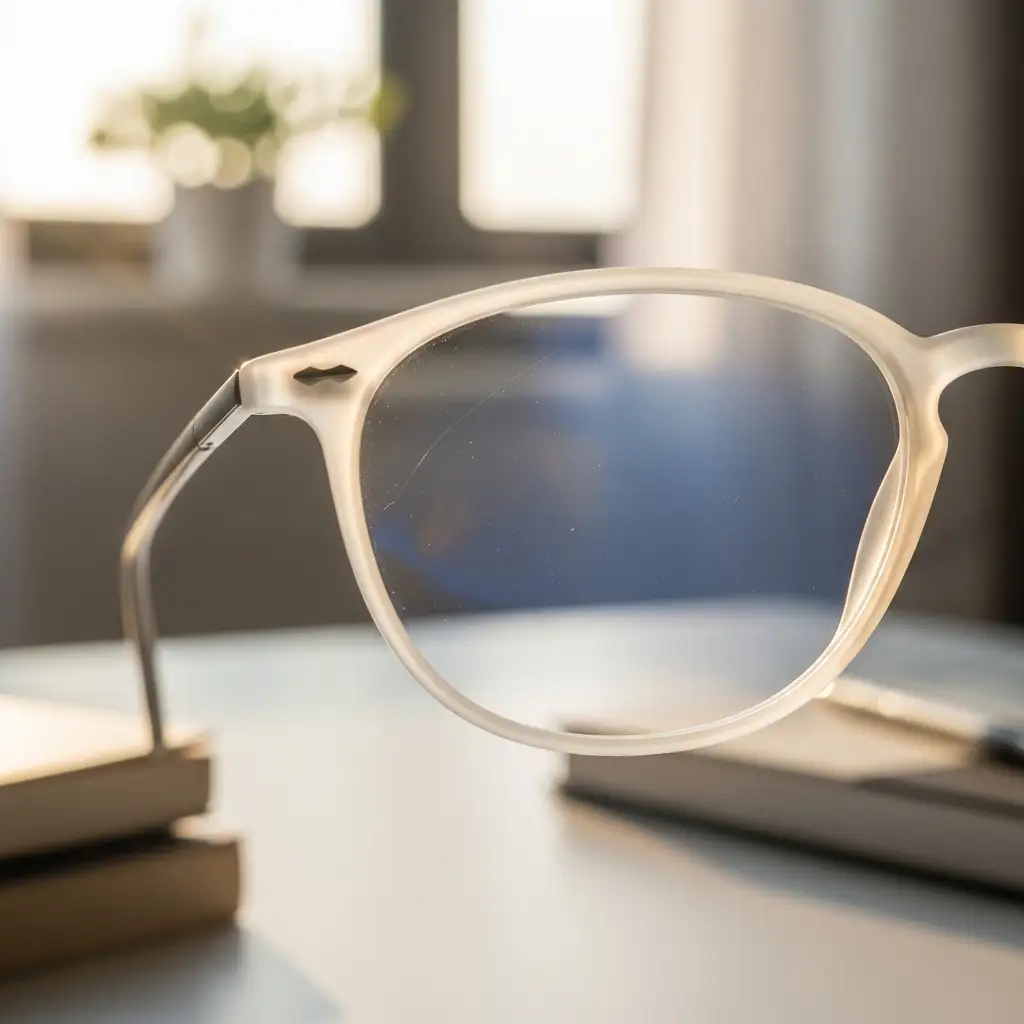
Lens quality is where brand reputation becomes more than marketing. You are not just paying for a transparent piece of material; you are paying for clarity, consistency, and how your eyes feel after hours of wear. This section breaks down what quality means in practical use.
Optical clarity and prescription precision
When people discuss Hoya vs Chemi lens quality, they usually start with optical clarity. Hoya often has a stronger reputation in premium categories for crispness, reduced distortion at the edges, and consistency in more demanding prescriptions.
Chemi, however, can still perform very well for standard prescriptions. If your prescription is relatively simple and your fitting is done properly, the difference may feel modest rather than dramatic. The optical shop’s measurement accuracy can matter just as much as the lens brand itself.
How much does fitting really matter? Quite a lot. Even an excellent lens can feel wrong if pupillary distance, fitting height, or frame alignment is off by a few millimeters.
Material options and durability in daily use
Both brands offer common materials such as 1.56, 1.60, and higher-index options depending on the market. If you need thinner lenses for stronger prescriptions, Hoya often feels more polished in premium packages, but Chemi can still be perfectly acceptable for daily wear if you choose the right index and coating.
Durability depends heavily on coatings and care habits. Coating wear becomes more noticeable over time, which is often a reason to replace lenses. In practice, users who clean lenses dry with tissue or shirt fabric shorten coating life regardless of brand.
Consistency across single vision and progressive lenses
Single vision lenses are where the gap can feel smaller, especially in standard prescriptions. Progressive lenses are where brand design philosophy becomes more noticeable, because adaptation, side distortion, and corridor comfort matter much more.
Hoya is positioned around premium progressive wearers. Chemi is positioned around single vision and value-based categories, though some wearers still do well with Chemi progressives depending on expectations and budget.
Real-world comfort for long hours of wear
Comfort is hard to quantify, but it matters most. The average office worker can spend 7 to 9 hours per day in front of screens, and glare resistance plus surface cleanliness can influence how tired your eyes feel by evening.
A better coating can bring more noticeable comfort gains than a simple brand upgrade alone. That is one reason a proper Hoya and Chemi coating comparison matters so much in any buying decision.
If your eyes are easily irritated by reflections, fingerprints, or low-light glare, you may feel a bigger difference between coating tiers than between base lens materials.
Hoya lenses review: strengths and limitations
Hoya has a strong reputation, but you should still look at it with balanced expectations. A premium brand does not mean every package is automatically best for you. Here is a realistic Hoya lenses review focused on where the brand usually performs well and where you may hesitate.
What stands out in Hoya lens design
Hoya often stands out for refined lens design and premium coating options. This is especially relevant if you wear progressives, have a stronger prescription, or want a lens package that feels more “finished” in daily use.
Hoya is often positioned as smoother in adaptation when moving to more advanced lens designs. That does not mean every wearer notices a huge difference immediately.
Common advantages reported by wearers
The most common positives in a Hoya lenses review include better anti-reflective performance, cleaner-looking surfaces, and comfortable all-day wear. Some wearers also say premium Hoya lenses feel easier to keep visually clear during work and driving.
Another advantage is the brand’s strong reputation in advanced categories. If you need progressive lenses, thinner high-index options, or more specialized designs, Hoya often feels like a safer premium choice.
Potential downsides to consider before buying
The most obvious downside is cost. In a Hoya vs Chemi price comparison, Hoya often sits higher, especially once you add premium coatings or specialty lens designs.
Availability can also vary by store and region. Not every optical retailer carries the same Hoya product range, and some shops may guide you toward house-brand alternatives instead.
Here’s what most people miss:
A premium brand only pays off if the optical provider measures you properly and explains the package clearly. Paying more without matching the lens to your actual use case can waste money.
Who should prioritize Hoya over competitors
You should prioritize Hoya if your main goals are long-hour comfort, refined coatings, and stronger confidence in premium designs. It can be especially worth it if you wear glasses full-time, drive often at night, or are moving into progressive lenses.
If your budget is flexible and you dislike frequent cleaning or glare issues, Hoya may justify the extra cost. That is one reason the question which lens brand is better Hoya or Chemi often ends with “it depends on how demanding your daily use is.”
Chemi lenses review: strengths and limitations
Chemi is often underestimated because it is viewed as the “budget” option. That is not entirely fair. For many buyers, it offers the right balance between function and affordability, which is why it remains a common recommendation in everyday optical retail.
What makes Chemi appealing to buyers
The biggest appeal is value. Chemi usually gives you access to decent lens performance at a lower entry point, especially for standard single vision needs.
Its accessibility also matters. In many shops, Chemi is easier to find in practical packages that match student budgets, routine office use, or backup glasses.
Common benefits for budget-conscious shoppers
A typical Chemi lenses review highlights affordability, acceptable clarity, and broad product availability. If you need a reliable pair for regular use without premium expectations, Chemi often makes financial sense.
For many buyers, the difference between Hoya and Chemi is not about “good versus bad.” It is about whether paying 20% to 50% more brings a benefit you will actually notice in your routine.
Potential drawbacks in premium comparisons
In premium head-to-head comparisons, Chemi may not feel as refined in coating performance or advanced design categories. Some users notice more frequent smudging, faster visible wear, or less impressive glare control depending on the lens package.
That said, these drawbacks are not universal. Chemi performance can vary a lot by coating tier, retailer, and how realistic your expectations are.
If you are choosing basic daily lenses, a well-selected Chemi package may satisfy you completely. The gap tends to grow more in premium or specialized use cases than in simple prescriptions.
Who should consider Chemi lenses first
You should consider Chemi first if price matters, your prescription is straightforward, or you want dependable everyday glasses without premium add-ons. It is also a smart choice for secondary glasses, student use, or buyers who replace lenses more often.
Chemi works best when you focus on practical needs rather than brand prestige. If your main goal is usable, comfortable vision at a controlled cost, it deserves serious consideration.
Hoya and Chemi coating comparison for daily wear
Coatings often decide whether you love or regret a pair of lenses. You may tolerate average optics, but you will notice glare, smudges, and scratch visibility every day. That is why Hoya and Chemi coating comparison matters so much for daily wear.
Anti-reflective and glare reduction performance
Hoya often earns stronger praise for anti-reflective performance, especially in premium packages. Wearers who spend long hours under office lighting or drive at night frequently value this difference.
Chemi coatings can still perform well, but premium Hoya options often feel more refined in difficult lighting. If glare reduction is your top priority, this is one of the clearest reasons to pay more.
Scratch resistance and long-term durability
No coating is scratch-proof, but some are more resilient in daily handling. Users who wear the same glasses every day for 1 to 2 years often care more about coating longevity than initial clarity.
Hoya may have an edge in premium durability perception, while Chemi can be fully adequate when handled properly. In either case, proper cleaning habits matter enormously.
Blue light, UV, and screen-use protection options
Both brands commonly offer UV protection and blue light related options, though product naming and features vary by market. If you spend 8 or more hours with digital devices, these packages may interest you, though comfort also depends on glare control and prescription accuracy.
According to the World Health Organization, uncorrected refractive errors remain a major cause of vision impairment globally, affecting hundreds of millions of people worldwide. You can read more from the World Health Organization. The key point for you is simple: correct prescription and usable daily comfort matter more than trend-based add-ons alone.
Cleaning ease, smudge resistance, and maintenance
This category affects satisfaction more than many buyers expect. A lens that attracts fingerprints or is hard to clean can become annoying within days, even if the optics are otherwise fine.
Hoya coating packages are positioned as easier to wipe clean and maintain. Chemi can still be practical, but if you are picky about smudges and maintenance, Hoya often has the stronger reputation.
Does that make Hoya the best eyeglass lenses for daily wear by default? Not always. If your budget is tight, the best daily lens is the one you can afford with the right prescription and a coating good enough for your real routine.
Hoya vs Chemi price comparison by lens type
Price is where most decisions become real. You may like the premium option, but if the jump feels too steep, value becomes more important. This section gives you a practical Hoya vs Chemi price comparison by lens category rather than vague brand impressions.
Single vision lens pricing differences
For standard single vision lenses, Chemi is commonly more affordable. In many stores, that makes it the easier entry point for students, first-time buyers, or anyone replacing lenses on a tighter budget.
Hoya usually costs more even before premium coatings are added. Once coatings are included, the price gap often becomes more visible.
Progressive and multifocal price ranges
Progressives are where Hoya tends to justify its premium image more clearly. If you need better adaptation, wider usable zones, or more comfort in longer wear, Hoya may feel worth the extra investment.
Chemi progressives can still serve budget-conscious users, but expectations should stay realistic. If you are highly sensitive to distortion or have struggled with progressives before, Hoya may give you a better chance of success.
High-index and specialty lens cost factors
Stronger prescriptions often require thinner, lighter materials, which raise cost regardless of brand. Specialty options such as high-index, photochromic features, or advanced coatings can push prices up quickly.
Here is the practical takeaway: a Hoya lens with premium coating and high index can cost significantly more than a standard Chemi package. In some markets, the difference can be substantial, though exact numbers vary by retailer and region.
When paying more actually makes sense
Paying more makes sense when your use case is demanding. If you wear glasses 12 hours a day, drive frequently at night, use progressives, or dislike lens maintenance issues, premium upgrades may return value every single day.
Sometimes the smart move is not choosing the most expensive package. It is choosing the package that solves your biggest daily annoyance, whether that is glare, thickness, smudging, or adaptation difficulty.
Best eyeglass lenses for daily wear needs
The best lens is not always the one with the strongest brand reputation. It is the one that fits your routine with the fewest compromises. This section turns the comparison into practical advice based on how you actually use your glasses.
Best choice for office workers and screen users
If you spend most of your day at a desk, Hoya often has the edge when glare control and coating performance matter a lot. Many office workers report better comfort when reflections and smudges are reduced consistently.
If your budget is tighter, Chemi can still work well with a decent anti-reflective package. For everyday office use, coatings often matter more than marketing language.
Best choice for driving and outdoor use
For frequent drivers, especially at night, Hoya may be the better fit due to stronger glare-reduction reputation. Outdoor users may also appreciate premium coating durability and easier cleaning.
Chemi can still be a practical choice for daytime driving or general outdoor wear if your expectations are modest. The decision depends on how often you face difficult lighting.
Best option for durability and easy maintenance
If you want a pair that feels easier to own, Hoya often gets the nod. Hoya coatings are positioned around better resistance to visible smudges and a cleaner feel over time.
That said, careful handling can make either brand last longer. Cases, microfiber cloths, and proper cleaning spray still matter more than many buyers realize.
Best fit for value-focused everyday wear
If your priority is spending wisely, Chemi is often the stronger answer. It can be one of the best eyeglass lenses for daily wear when your prescription is simple and you want reasonable performance at a lower cost.
This is where Chemi shines most. You get practical function without paying for premium refinements you may not notice.
Which lens brand is better Hoya or Chemi?
By now, the answer should feel clearer: neither brand wins for everyone. The right pick depends on how much you value premium comfort versus budget efficiency. This final section gives you a direct recommendation based on user profile and prescription needs.
Choose Hoya if premium performance matters most
Choose Hoya if you want better coating refinement, stronger premium confidence, and more comfort for demanding daily use. It is often the better pick if you wear glasses full-time, use screens heavily, or need progressive lenses.
This is the side of the hoya vs chemi lenses comparison where Hoya usually leads. If small improvements in comfort and finish quality matter to you, the higher price may be justified.
Choose Chemi if value is the top priority
Choose Chemi if you want a sensible everyday lens at a more accessible price. It is often the smarter option for standard prescriptions, backup pairs, students, or buyers who prefer practical value over premium branding.
In a balanced hoya vs chemi lenses comparison, this is where Chemi wins. You may give up some refinement, but you often keep most of the function you need.
How prescription type can influence the decision
If your prescription is simple, the quality gap may feel smaller. If your prescription is stronger, more complex, or progressive, Hoya may offer advantages that become easier to notice over time.
This is why which lens brand is better Hoya or Chemi cannot be answered in isolation. Your prescription shape, frame fit, and coating choice all affect the result.
Final recommendation based on buyer profile
If you want the safest premium-leaning choice, Hoya is easier to recommend. If you want the more budget-friendly everyday choice, Chemi remains highly competitive.
For most buyers in 2026, the best outcome comes from matching the lens to your actual lifestyle. A careful hoya vs chemi lenses comparison should always end with this principle: buy for how you live, not just for how a brand is marketed.
Visit the store: Mắt Kính Đặng Phước Quân
- Address: 31 Nguyễn Văn Cừ, Phường Xuân Hương, Đà Lạt (open in Google Maps)
- Open 09:00–21:00 daily
- Hotline / Zalo: 0925 331 668
- Free eye exam with Essilor and Nidek equipment. Single-vision lenses in stock are ready in 20–40 minutes; progressive and high-index lenses are ordered.
- Contact and directions
FAQ
What is the main difference between Hoya and Chemi lenses?
The main difference is positioning. Hoya is generally viewed as a more premium brand, while Chemi is known for practical value and lower entry pricing. In real use, performance still depends on lens type, coatings, prescription strength, and fitting quality.
Is Hoya better than Chemi for daily wear?
It can be, especially if you care about glare reduction, coating refinement, cleaning ease, and long-hour comfort. However, if your prescription is simple and your budget matters more, Chemi can still be a very good daily-wear choice.
How does Hoya vs Chemi lens quality compare?
Hoya often has a stronger reputation for premium optical consistency, advanced designs, and coating quality. Chemi is still competitive for standard daily use, especially in simpler prescriptions. Retailer quality and fitting accuracy can influence your experience significantly.
Are Chemi lenses good for budget buyers?
Yes. Chemi is often a solid option for cost-conscious buyers who want reliable everyday performance without paying for top-tier premium features. It is especially attractive for single vision lenses and routine wear.
How does the Hoya vs Chemi price comparison usually look?
Hoya usually costs more, especially when you add premium coatings, progressives, or high-index materials. Chemi is commonly more affordable, particularly in standard single vision options. The exact difference varies by market, store, and package.
Which is better for progressive lenses, Hoya or Chemi?
Hoya is often favored for progressive lenses because of its stronger premium reputation and comfort-focused designs. Chemi can still work for budget-conscious progressive users, but if adaptation is a concern, Hoya may be the safer pick.
Are Hoya and Chemi coating options very different?
They can be. Both offer anti-reflective, scratch-resistant, UV-related, hydrophobic, and screen-focused options in many markets. The difference is often in how refined and durable those coatings feel over time, especially in premium Hoya packages.
Should I choose Japanese or Korean eyeglass lenses?
You should choose based on product fit, coating package, seller reliability, and budget rather than country of origin alone. Japanese vs Korean eyeglass lenses is a useful starting point, but trusted measurements and the right lens package matter more than the label.
Xem thêm:
Bài viết cùng chủ đề:
ZEISS DuraVision Benefits, Coatings & Price Guide
Essilor vs Zeiss: Which Lenses Are Better?

handmade acetate frames in da lat: Smart Buyer Tips
essilor vs zeiss lenses price in Vietnam guide

Chemi lenses price in Vietnam: 2026 buying guide
Find a Kodak lens authorized dealer in Vietnam
Authentic Zeiss Lenses in Vietnam Buying Guide

Transitions Gen 8 lenses in Da Lat: guide & prices

Hoya Blue Control Lenses in Da Lat Guide

Carl Zeiss Vision Lenses in Vietnam Guide
Essilor Crizal lenses in Da Lat buying guide

Anti Meaning, Uses, and SEO Guide
Anti Meaning: Definition, Uses, and Examples

What Is Scratch? Beginner Guide for Kids
Hydrophobic lens coating in Vietnam buyer guide
Pure titanium glasses frames in Vietnam guide


