






Handmade Acetate Frames in Da Lat: Smart Buyer Tips
Updated: 10 October 2026
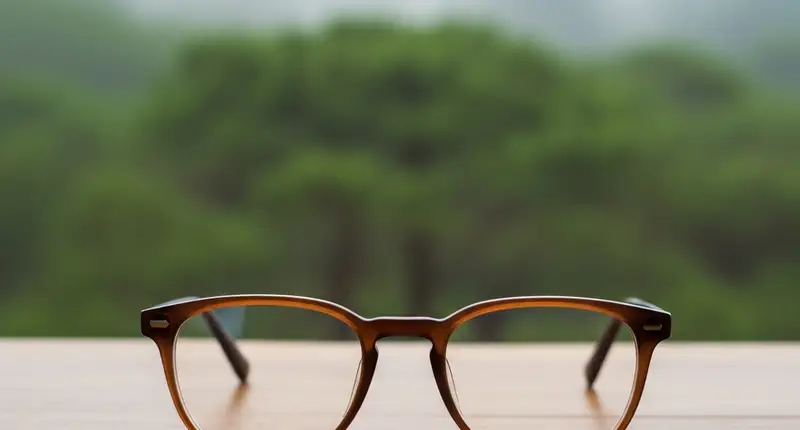
If you want glasses that feel personal rather than mass-produced, handmade acetate frames are worth a close look. Good acetate has depth of color, a warm feel on the skin and a polished finish that cheap plastic cannot match. This guide explains what “handmade” really means for acetate glasses, how to judge quality, how to choose a frame that fits, and what to ask before you buy handmade acetate frames in Da Lat or anywhere else.
Why handmade acetate frames appeal to buyers

A well-made acetate frame usually shows the difference within minutes of wearing it. It sits evenly, the edges feel smooth, and the color has visible depth instead of a flat, painted look.
The appeal is partly aesthetic: tortoiseshell patterns, translucent colors and layered stripes are all typical of acetate. It is also practical. Acetate frames can be heated and adjusted by an optician to fit your face, and a well-finished frame stays comfortable for a full day of wear.
Da Lat’s cool weather and layered, understated style suit acetate well. Vintage-inspired shapes, translucent frames and warm earthy tones are popular choices here.
What “handmade” acetate actually means
“Handmade” is used loosely in eyewear, so it helps to know what goes into making an acetate frame.
- Acetate sheet or block: the frame starts as a block or sheet of cellulose acetate. Its colors and patterns run all the way through the material instead of being printed on the surface.
- Cutting: the front and temples are cut from the sheet. Today this is often done with CNC machines, even for frames sold as handmade.
- Hand finishing: the frames are then tumbled, shaped, filed and polished, with much of the finishing and checking done by hand. Hinges are set, and a metal core wire is inserted into the temples.
So most “handmade” acetate frames are really machine-cut and hand-finished. That is not a problem. The quality of the finishing and the acetate is what matters. The real contrast is with injection-molded plastic frames, which are made by pouring liquid plastic into a mold and are usually cheaper and lighter but less refined.
If a seller calls a frame “handmade”, ask what that means for that specific frame: where it was made, what acetate was used and which steps were done by hand.
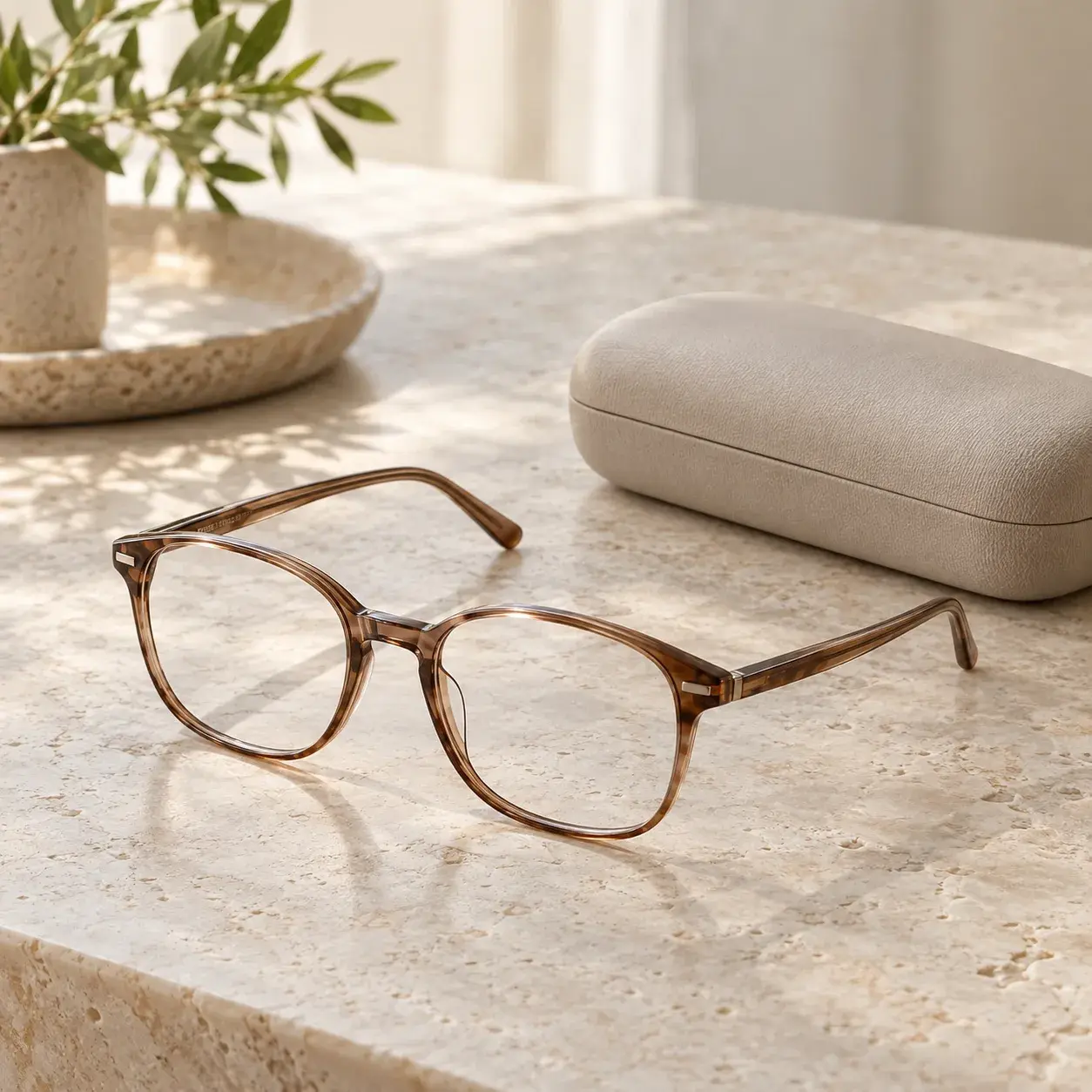
Acetate vs basic plastic and metal
Cellulose acetate is made from plant-based cellulose, usually from cotton fibers or wood pulp, which is processed into sheets for frame making. Well-known acetate producers include the Italian company Mazzucchelli, whose material is widely used in premium frames.
Compared with basic injection-molded plastic, acetate typically offers:
- richer, deeper colors and patterns that cannot simply wear off;
- a smoother, warmer feel on the skin;
- easier professional adjustment with gentle heat;
- a more solid, premium look.
The trade-offs are that acetate frames are a little heavier than very light plastics such as TR90 or titanium frames, and they can lose their shape if left in high heat. If very low weight is your priority, a lightweight plastic or metal frame may suit you better.
How to choose acetate frames that fit well
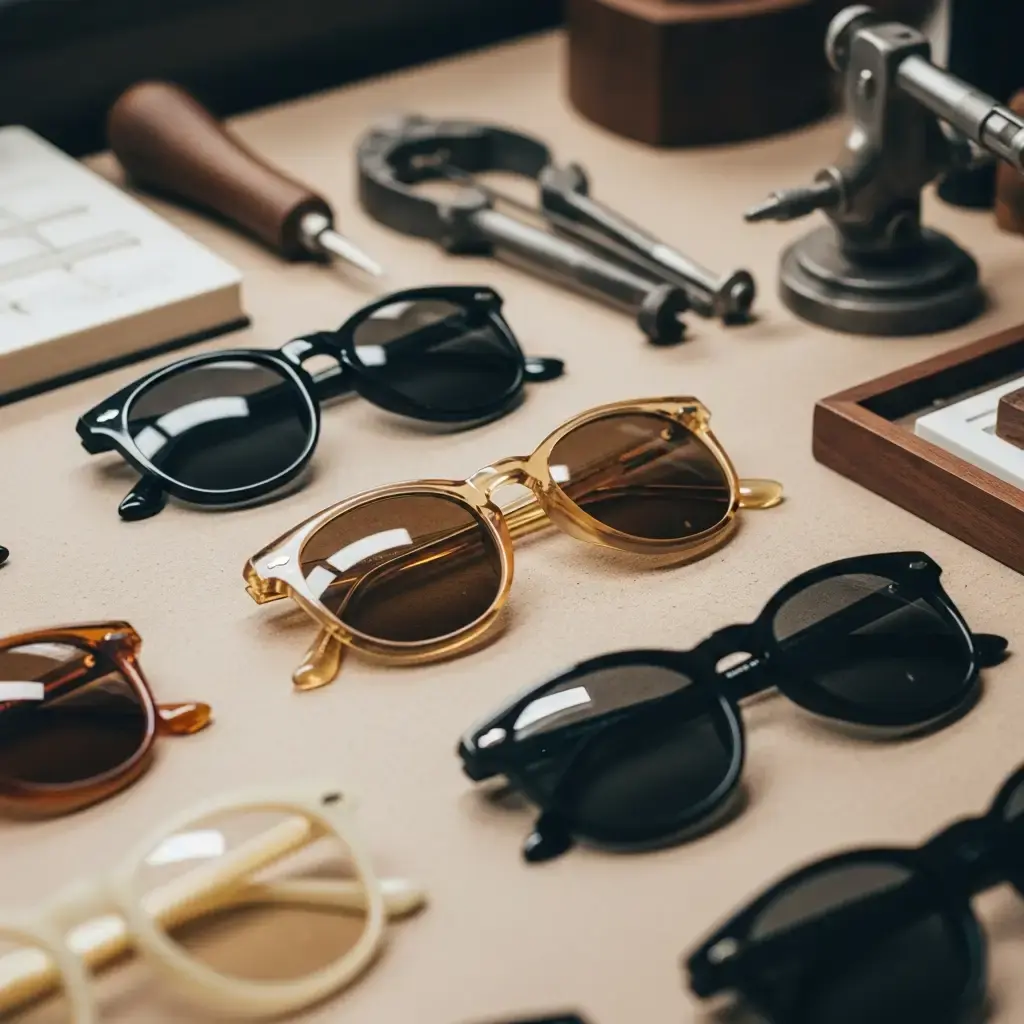
A frame that looks great in the mirror can still feel wrong if the bridge slides, the temples pinch, or your eyes sit off-center in the lenses. Fit matters as much as style.
Bridge fit
Many acetate frames have a molded bridge with no adjustable nose pads. If you have a low or narrow nose bridge, check that the frame does not slide down or rest on your cheeks. Frames with a lower bridge or added nose pads (“Asian fit”) often work better on these noses.
Frame shape and face shape
Use face shape as a guide, not a rule:
- Round faces: rectangular or slightly angular frames add definition.
- Square faces: round, oval or panto shapes soften strong lines.
- Oval faces: most shapes work, so focus on size and bridge fit.
- Heart-shaped faces: balanced frames that are not too heavy on top.
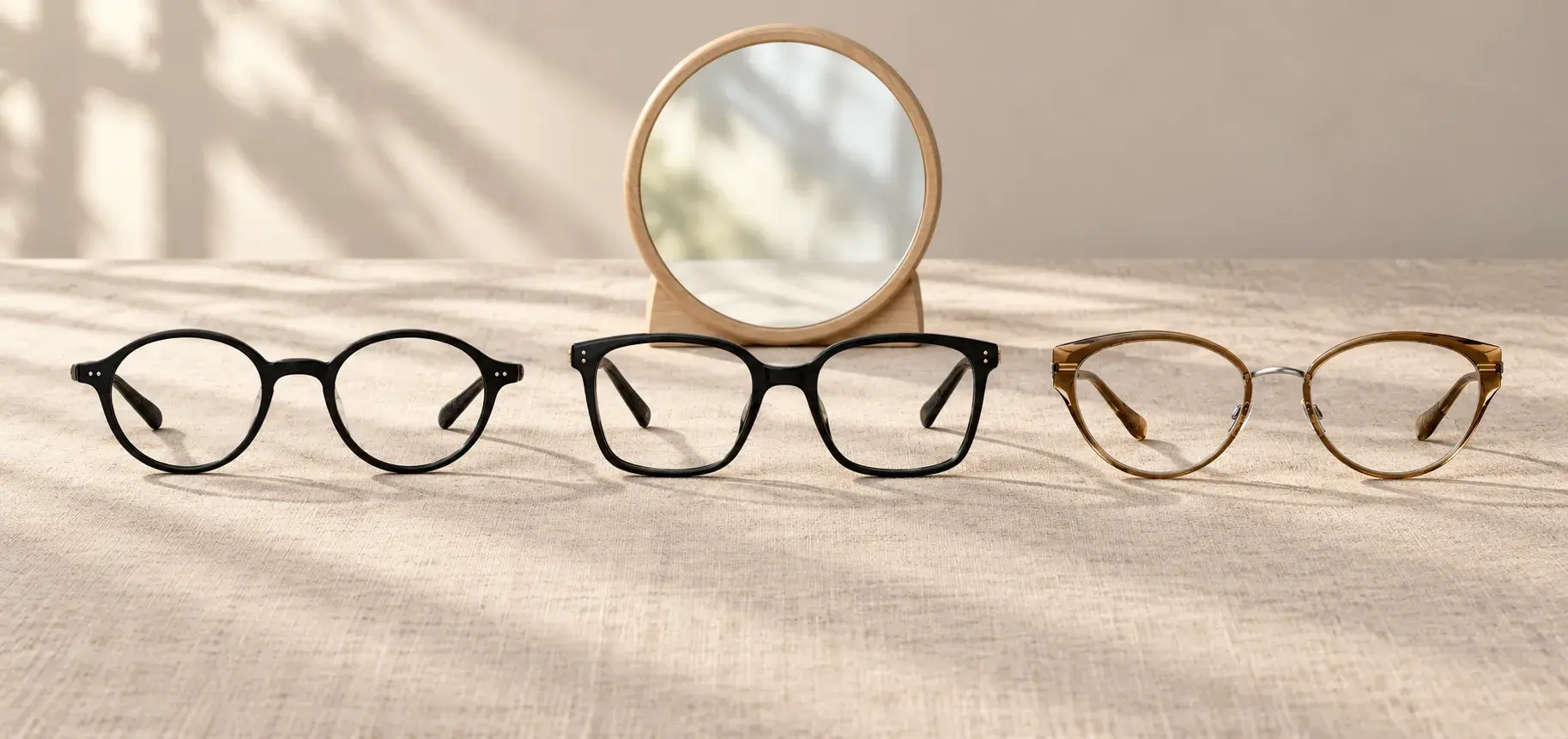
Vintage styles such as panto shapes, soft squares, keyhole bridges and classic round frames are common in acetate. Size matters most with these. A frame that is too wide loses the effect, and one that is too small looks forced and feels tight.
Wear it before you decide
Wear the frame for 10–15 minutes if you can, not 30 seconds. Smile, turn your head and look down to see whether it stays in place. Pressure behind the ears or on the sides of the head usually gets worse over a full day, not better.
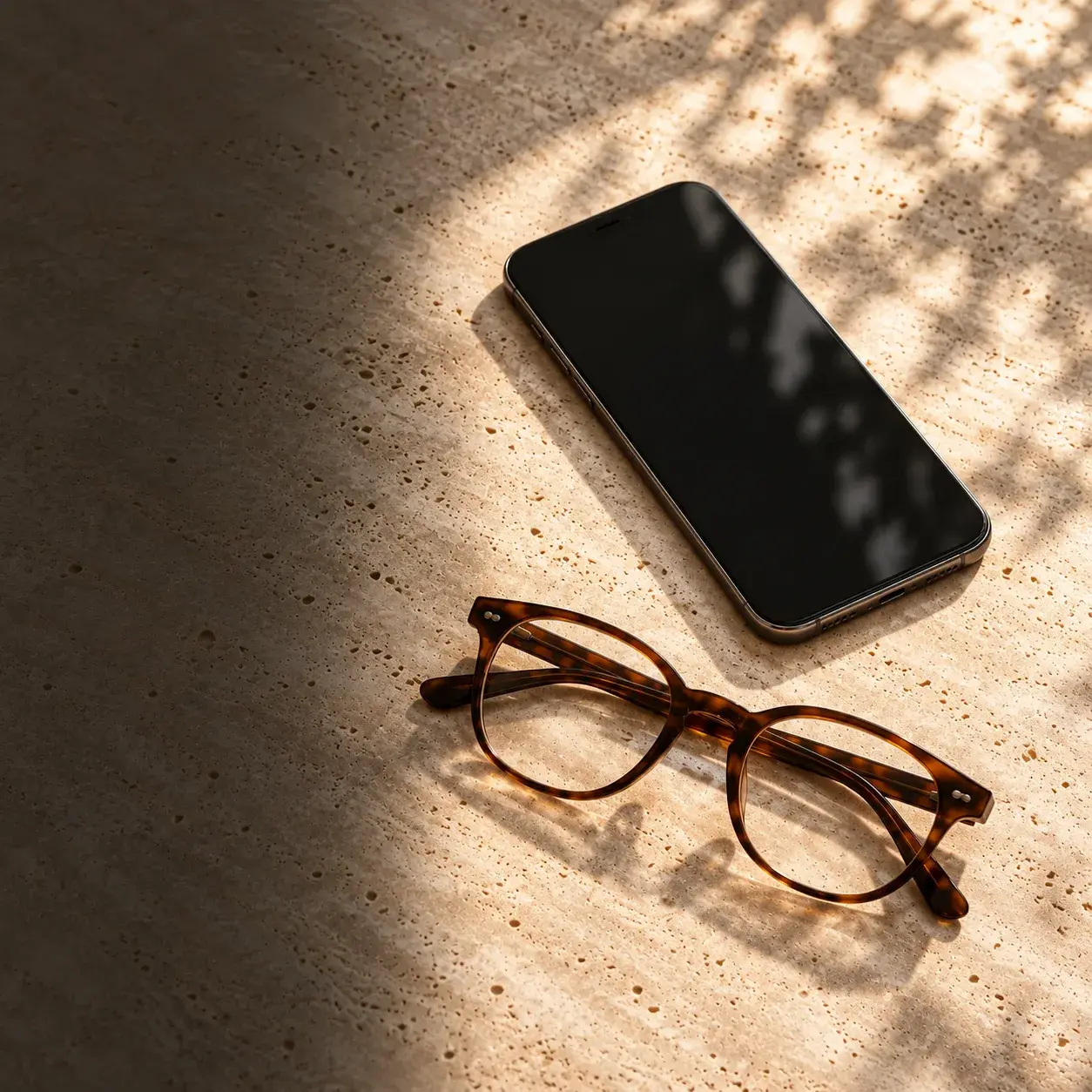
Quality checks before you buy
- Edges and polish: run your finger along the edges. They should be smooth and rounded, not sharp or rough.
- Color: layered colors should look consistent and clean at the edges, with no bubbles or cloudy patches.
- Hinges: both temples should open and close evenly. Hinges that are riveted or pinned through the front, and multi-barrel hinges, are usually signs of more careful construction.
- Core wire: in translucent frames you can often see the metal wire inside the temples. It lets an optician adjust the temples.
- Symmetry: look at the frame from above and from the side to check that both sides match.
- Prescription suitability: if you have a strong prescription, ask whether the frame’s size and rim depth suit your lenses. Thick lenses look neater in smaller, deeper rims, and high-index lenses can keep the edges thinner.
A seller who can explain sizing, materials, hinge type and adjustments is a good sign. Vague answers such as “imported, high quality” without specifics are not.
Ready-made or custom eyewear?
Ready-made frames are faster and usually more affordable, and a good optician can adjust most of them to fit you well. Custom or made-to-order frames suit people who struggle with standard sizes or want a specific shape or color, but they take longer and cost more.
If you consider a custom frame, confirm before production:
- the measurements: lens width, bridge width, temple length and lens height;
- whether the frame suits your prescription, including high-index lenses if you need them;
- who will fit the prescription lenses, and how;
- production time and the adjustment policy.
Caring for acetate frames
Clean with water and a little mild soap, then dry with a microfiber cloth. Avoid alcohol and strong solvents, which can dull the surface. Keep acetate away from heat, such as a car dashboard, because it can soften and lose its shape. If your skin is oily or you sweat a lot, rinse the frame regularly. A dull surface can often be restored with professional polishing.
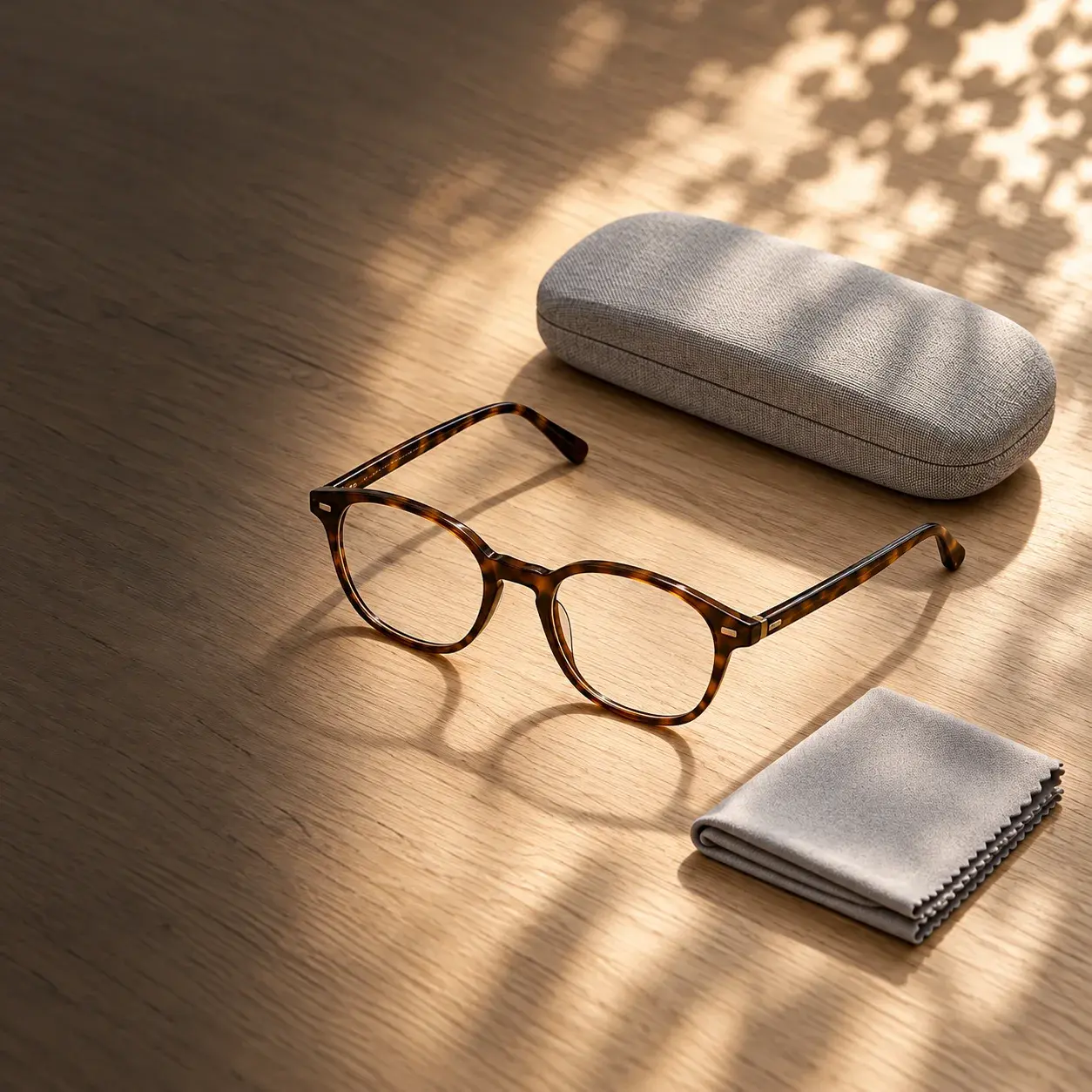
Buying acetate frames at Mắt Kính Đặng Phước Quân in Da Lat
Mắt Kính Đặng Phước Quân has been an optical store in Da Lat since 1991, at 31 Nguyễn Văn Cừ, Phường Xuân Hương, in central Da Lat. The website currently lists around 452 optical frames from brands including Bolon, Molsion, Seeson, Ray-Ban, Vogue and Burberry. Materials vary by model, so if you are looking for acetate, tell the staff and go through the checks above together. Browse the range on the eyeglass frames page.
The eye test is free and walk-in, and single-vision lenses in stock are usually fitted in about 20–40 minutes. High-index and special lenses may need to be ordered. Cleaning, frame adjustment and screw replacement are free, including for glasses bought elsewhere. See the prescription glasses guide or message +84 925 331 668 (Zalo / WhatsApp). The shop is open daily, 09:00–21:00.
FAQ: handmade acetate frames
Are handmade acetate glasses worth the price?
Often, yes, if you wear glasses every day. You are paying for better material, finishing and fit rather than just a label. A well-made acetate frame usually stays comfortable and looks good for longer than a cheap plastic one.
Are handmade acetate frames really made by hand?
Partly. Most are cut from acetate sheets by machine and then shaped, polished and assembled with a lot of hand finishing. Ask the seller what “handmade” means for the specific frame.
How can I tell if an acetate frame is high quality?
Check for smooth, polished edges, clean and consistent color layers, even hinge movement, a metal core wire in the temples and good symmetry. A knowledgeable seller should be able to explain where the frame was made and what acetate was used.
What is cellulose acetate made from?
It is made from plant-based cellulose, usually from cotton fibers or wood pulp, processed into sheets that are cut and polished into frames.
Can acetate frames take prescription lenses?
Yes. Most acetate frames are made for prescription lenses. For strong prescriptions, choose a moderate frame size and ask about high-index lenses so the lenses do not look thick.
More
Need to ask before an eye test?
Message us on WhatsApp or Zalo, and the store will answer for your case.