





Multi-coated lenses in Vietnam: what the layers do and what to ask
Updated: 24 October 2026
When a quote says “multi-coated”, you should be able to find out which layers are on the lens and what each one does, but shops use the term loosely. This guide explains what the layers of multi-coated lenses in Vietnam do, how entry-level, mid-range and premium packages differ, and what to ask so that two quotes can be compared. For the wider question of what decides glasses prices in Vietnam, see Are glasses cheaper in Vietnam? How prices work in 2026.
Multi-coated lenses in Vietnam: 2026 overview
If you want the short answer first, you can find coated lenses at many price levels in Vietnam today. The challenge is that “multi-coated” does not always mean the same thing from one store to another. Once you know what is included, comparing prices becomes much easier.
What the layers on a multi-coated lens do
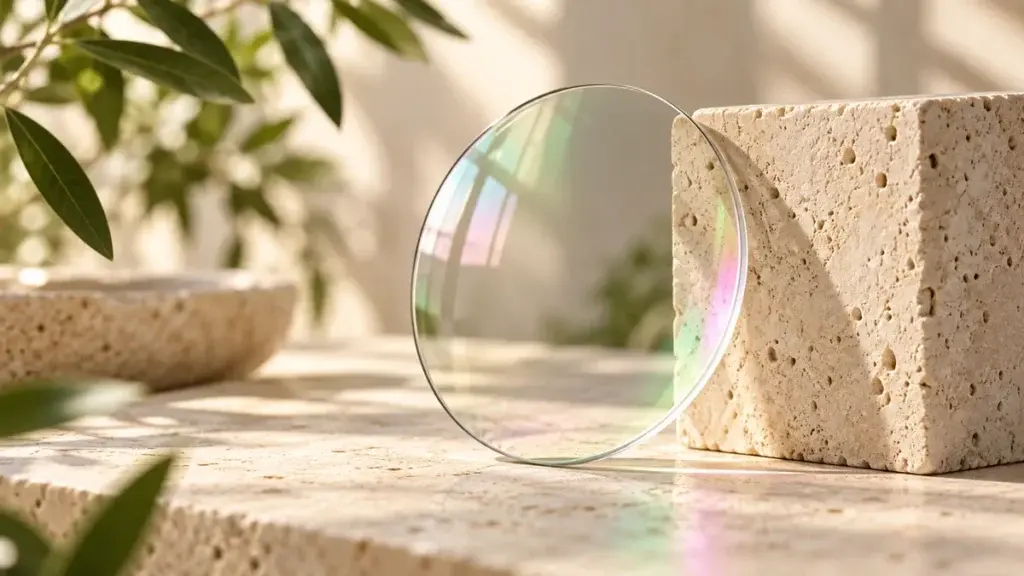
A multi-coated lens has several thin coatings on top of the lens material. ZEISS describes one of its anti-reflective coatings as a hard coating on the lens, then several anti-reflective layers, then a top “clean coat” layer. Each layer has a separate job:
- Hard coat: plastic is softer than glass, and a hard coat makes the lens more resistant to scratches. It also forms the base that the later layers are bonded to.
- Anti-reflective (AR) layers: reduce reflections from the lens surfaces. The American Academy of Ophthalmology says anti-reflective coatings reduce glare and are especially helpful for people bothered by headlight glare when driving at night.
- Top layer: a water- and oil-repellent coating that makes the lens easier to keep clean. Makers call it by different names, such as clean coat, hydrophobic or oleophobic layer.
- UV protection: the American Academy of Ophthalmology says UV coatings help protect your eyes from the sun’s radiation, and that some plastic lenses block UV without a special coating. Ask whether the UV protection on your quote comes from the material or from a coating.
Which of these a “multi-coated” quote really includes is for the shop to state. The next part describes what a package usually contains.
What is included in a multi-coated package
In Vietnam, a multi-coated package usually means several surface layers are applied to the lens. A typical stack includes anti-reflective treatment, hard coating for basic scratch resistance, UV protection, and a hydrophobic or oleophobic top layer to reduce water spots and fingerprints.
Some brands combine all of these into one standard package. Others separate them into upgrades, which affects the price you see on display.
The biggest daily difference is often glare reduction and easier cleaning. A lens that resists smudges well can save you a lot of frustration if you wear glasses all day in humid weather.
Why two multi-coated quotes can differ
Quotes for “multi-coated” lenses are hard to compare when the details differ. Confirm whether a price is per lens or per pair, which layers it includes, and whether fitting, frame adjustment and the eye test are part of it. A promotional price can look low until those are added.
Why the same prescription costs different amounts at different shops in general (brand, type of store, service) is covered in Are glasses cheaper in Vietnam? How prices work in 2026, so it is not repeated here.
What else changes a coated-lens quote
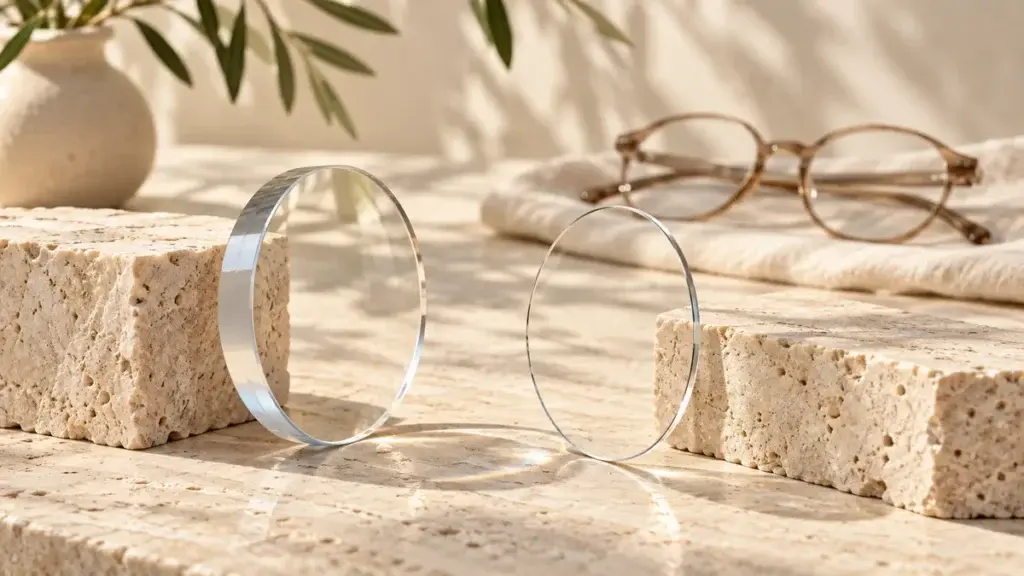
The coating is only part of the total. Lens material and index, prescription strength, brand and after-sales support also move the quote; ZEISS DuraVision: benefits, coatings and price factors shows how that works for one premium coating line. Two points belong to coatings specifically.
First, ask how long the coating is covered against defects and what the shop does if it fails early. A cheap quote becomes expensive if the coating fails and there is no support. Second, ask about a remake policy for prescription errors or adaptation problems, which matters most for progressive lenses.
Compare lens coating packages by features
Coating bundles differ a lot, and this is where shoppers are often misled. A package can sound advanced without offering much real benefit, so compare the features you will notice in daily wear.
Basic hard coat versus anti-reflective upgrades
A basic hard coat is usually the most affordable option. It helps reduce minor scratches, but it does little for glare, reflections, or visual comfort under strong indoor lighting.
An anti-reflective upgrade improves clarity and appearance by reducing reflections on both lens surfaces. This is why listed prices often jump once AR treatment is included.
For many users, AR is the first upgrade worth considering. If you work under office lights or spend hours on screens, it generally offers better value than a hard coat alone.
Keep expectations accurate. In an older answer (2015), the American Academy of Ophthalmology says that the glare protection from an anti-reflective coating is very slight, that adequate glare protection requires a polarized lens, and that most lower-cost anti-reflective coatings make lenses difficult to keep clean. The last point is a reason to ask about the top layer as well as the AR.
Hydrophobic and smudge-resistant add-ons
Hydrophobic coating helps water bead and slide off the lens surface. Oleophobic or smudge-resistant top coats reduce oils and fingerprints, which is especially useful in Vietnam’s humid climate.
These add-ons raise the package price, but they can make cleaning much easier. Lenses with good top coats tend to look cleaner for longer and need less wiping throughout the day.
A weaker top coat can wear down faster even if the lens initially feels premium. If easy maintenance matters to you, ask specifically about smudge resistance as well as the multi-coating.
Blue-light filtering and UV protection bundles
Blue-light filtering is now bundled into many mid-range and premium packages. It is often marketed heavily, especially to students and office workers.
UV protection and blue-light filtering are listed as separate features, so ask the shop to name each one and the maker’s own figure. The World Health Organization notes that some studies strongly support UV-B as a risk factor for cortical cataract.
In many stores, UV and blue-light features are combined into a single package. Prices for such a bundle vary by shop and brand, so ask for the quote in writing.
Premium multi-coated lens packages
Premium multi-coated lenses usually include stronger AR performance, better top-layer durability, and cleaner optics. These packages are often targeted at drivers, heavy screen users, and customers who wear glasses for long hours every day.
Some premium products also promise lower residual reflection, better night vision comfort, and longer-lasting scratch resistance. This is where the higher price tiers begin to make sense for specific users.
Anti-reflective lenses in Vietnam: entry-level, mid-range and premium explained
Many shoppers search for AR lenses directly because glare is the problem they notice first. That makes sense, but AR can be sold as a stand-alone feature or as part of a broader coating package. Knowing the difference helps you avoid overpaying for a label alone.
Entry-level anti-reflective lenses
Entry-level anti-reflective packages are the lowest-cost way to get an AR coating. These are suitable if you want basic glare reduction for school, office work, or everyday walking around the city.
The trade-off is durability. Lower-tier AR coatings may show wear sooner, especially if you clean your lenses roughly or keep them in hot environments.
Mid-range AR coatings for daily wear
Mid-range AR packages cost more than entry-level ones. This category often offers a good balance for most people.
You usually get better clarity, stronger hydrophobic performance, and more reliable coating lifespan. This is often a sensible choice for office workers and university students.
If a slightly more expensive package lasts 2 years instead of 1 year, your annual cost may be lower than with the cheapest option.
Premium anti-glare options for screen users
Premium anti-glare packages sit at the top of the price range. They are designed for tougher demands like night driving, long screen time, frequent travel, and intensive daily wear.
You may notice less distracting reflection under LED lighting and easier cleaning with these lenses. If glare is your biggest complaint, this is where the performance difference becomes more noticeable.

How lens type and index change the quote
Lens design and material change the total as well. Progressive lenses cost more than single vision because the design is more complex, and a high-index lens with a premium coating costs more again; the general factors are in the pages linked above. One coating point is worth keeping here: on progressives you use more of the lens surface through the day, so ask about AR quality and smudge resistance for them.
Cheaper coated lenses: when a lower price makes sense
Not every buyer needs premium coatings, and budget packages can still be useful. The important point is knowing what you are giving up. A lower price is fine when your expectations match the product’s real performance.
Budget coated lens packages
The lowest-priced coated lenses are usually basic single vision lenses with entry-level AR or a simple hard coat.
For students, backup glasses, or temporary prescriptions, that can be a sensible choice. If you replace lenses frequently, a budget package may fit your situation.
Trade-offs in clarity, durability, and warranty
Lower-cost packages usually have weaker AR performance, less effective smudge resistance, and shorter warranty periods. Some cheap packages may also scratch more easily after months of daily use.
The biggest weakness is often coating lifespan. A budget lens may look acceptable on day one, then feel harder to clean after months of use.
When low-cost coated lenses make sense
Budget coated lenses make sense if you need spare glasses, a short-term prescription, or basic indoor use. They can also work for children whose prescriptions change often.
What should be the minimum standard? At the very least, ask for AR coating, UV protection, and a clear warranty statement.
Premium coatings: price versus real-world value
Premium pricing only makes sense if the benefits matter in your daily life. For some users, it does. For others, a strong mid-range package delivers nearly the same satisfaction for less money.
Features that justify higher prices
Premium packages usually justify higher cost through better anti-glare performance, smoother top coats, lower residual reflections, and longer durability. You may also get stronger brand-level quality control.
This is where the price difference between premium and mid-range lenses is most visible in daily use. Drivers and heavy screen users often notice the upgrade faster than occasional wearers.
Durability and replacement frequency savings
If a premium lens lasts longer with less scratching and easier cleaning, it can offset part of the initial price. A cheaper package replaced every year may end up costing more over time.
For example, a cheaper package you replace twice in two years can cost more in total than a better lens that stays comfortable and clear through the same period.
Who should choose premium over mid-range
Premium makes the most sense if you drive at night, wear glasses all day, work under harsh lighting, or strongly dislike dirty lenses. Mid-range is often enough if your use is general office work and normal daily wear.
It can help to buy one level above the cheapest option you first considered. That extra step may bring a better balance of comfort and cost.
Where to buy and what to ask
Where you buy matters, and the differences between chains and independent shops, and between online and in-store buying, are covered in the price guide linked earlier. For coatings the practical advice is short: compare the package details as well as the headline price, and have progressives or strong prescriptions fitted in person.
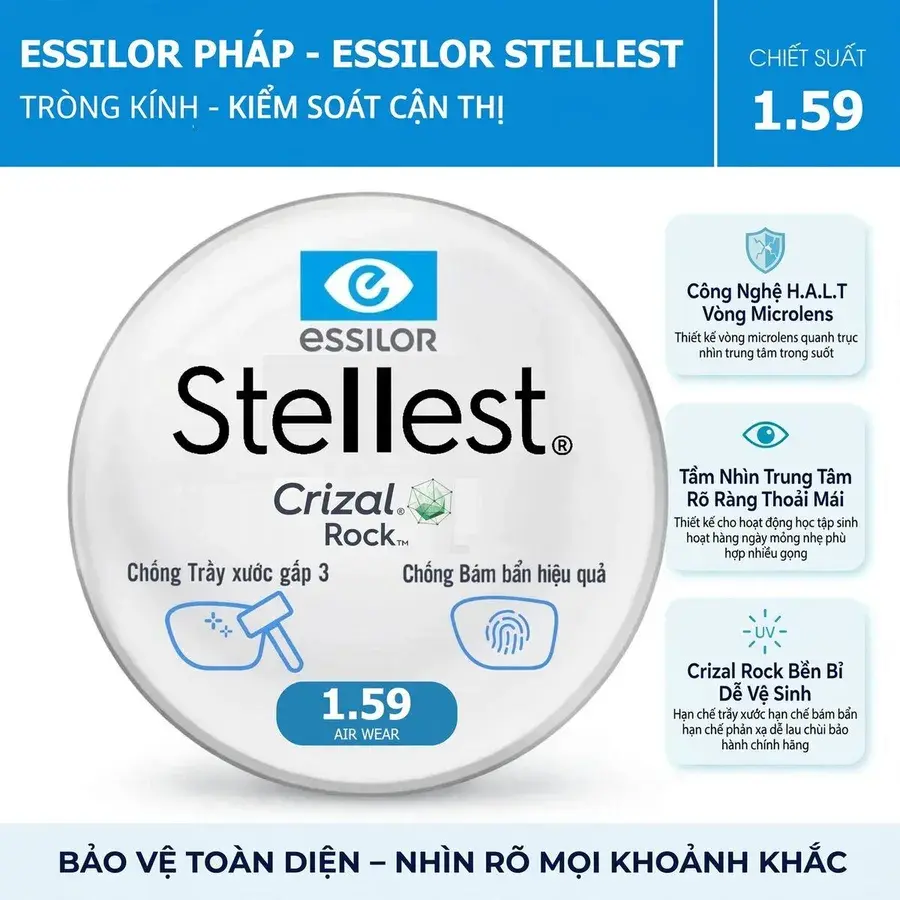
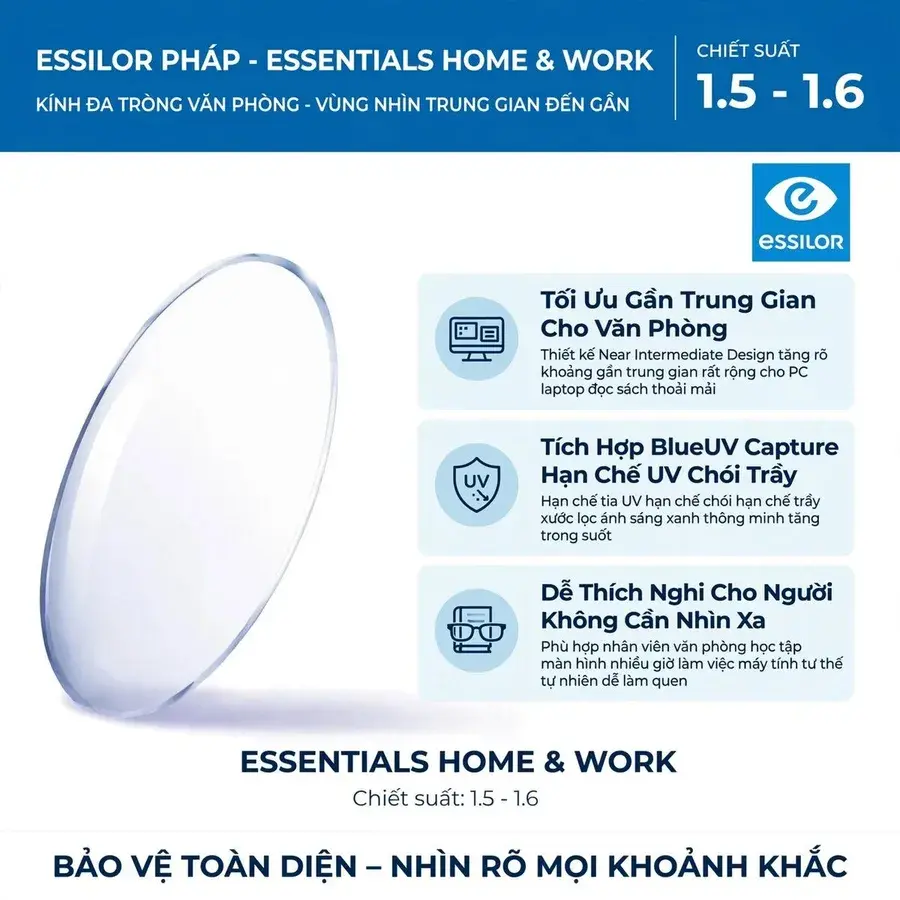
Mắt Kính Đặng Phước Quân in Da Lat has been open since 1991 and offers a free eye test, so you can have your prescription checked before you compare coatings. The coating comes with the lens brand. In the shop’s lens range, Chemi lenses come with coatings such as Crystal U1 Coated, Crystal U2 Coated or Perfect UV Crystal U6, Kodak lenses with Super HMC A+ or Clean’N’CleAR, and Essilor lenses with Crizal coatings such as Crizal Rock or Crizal Sapphire HR, so you can ask for the coating by name.
Questions to ask before paying for coatings
Before you choose, ask these questions:
- Is the price for one lens or a pair?
- What exact coatings are included?
- Is UV protection included by default?
- How long is the coating warranty?
- What happens if the prescription feels wrong?
- Is the lens branded, and can the shop verify authenticity?
If the salesperson cannot clearly explain the coating package in plain language, that is already useful information.
How to choose a coating package for your budget
Choosing the right package does not have to be complicated. Once you match your daily routine with your lens features, the decision becomes much easier. The right lens is the one that suits your daily use.
Options for students and office workers
If you study, use a laptop, or work indoors, a mid-range AR package with UV and hydrophobic coating is often good value. You do not always need the highest-end package unless glare and cleaning are constant problems.
This level usually delivers good comfort without overpaying.
Recommended packages for drivers and outdoor users
If you drive often, especially at night, invest more in AR quality. Stronger anti-reflective performance can reduce distracting reflections from headlights and street lighting.
Outdoor users should also prioritize UV protection and easy-clean top coats. In humid or rainy conditions, better hydrophobic performance becomes much more useful.
Simple checklist to compare lens coating packages
When you compare lens coating packages, use this checklist:
- Confirm the total lens price per pair on the quote
- Check if AR, UV, hydrophobic, and smudge resistance are included
- Ask about lens material and index
- Compare warranty length and remake policy
- Consider your daily use: screens, driving, outdoor exposure
- Avoid paying premium prices for features you will not notice
If you keep that checklist in mind, comparing multi-coated lens prices in Vietnam becomes much easier.
FAQ
What decides the price of multi-coated lenses in Vietnam in 2026?
The price of multi-coated lenses in Vietnam runs from entry-level packages through mid-range to premium packages. Your prescription strength, lens index, and brand can all change the final price, so ask the store for an itemized quote for your prescription. The wider factors behind eyewear prices are covered in the price guide linked at the start of this article.
Are anti-reflective lenses and multi-coated lenses the same?
Not exactly. Anti-reflective is usually one feature inside a broader multi-coated package. A full multi-coated lens may also include hard coat, hydrophobic, oleophobic, and UV layers.
What do the layers of a multi-coated lens actually do?
A hard coat makes plastic lenses more resistant to scratches, anti-reflective layers reduce reflections, and a water- and oil-repellent top layer makes the lens easier to clean. UV protection may come from the lens material or from a coating, so ask which. Ask the shop to name each layer in the quote.
Are cheaper coated lenses worth buying?
They can be worth buying if you need backup glasses, a short-term prescription, or a low-cost student option. Just check for basic AR, UV protection, and a clear warranty, because the main limitations are usually durability and cleaning performance.
How can I compare lens coating packages before buying?
You should compare included features, warranty length, glare reduction, scratch resistance, and ease of cleaning. Also confirm whether the quote is for one lens or a pair, because that alone can change the comparison completely.
Why do premium coating packages cost more?
Premium packages cost more because they often use better coating technology, stronger anti-glare performance, more durable top coats, and better warranty support. They are usually most worthwhile if you wear glasses all day, drive at night, or want longer-lasting clarity.
More
Need to ask before an eye test?
Message us on WhatsApp or Zalo, and the store will answer for your case.